
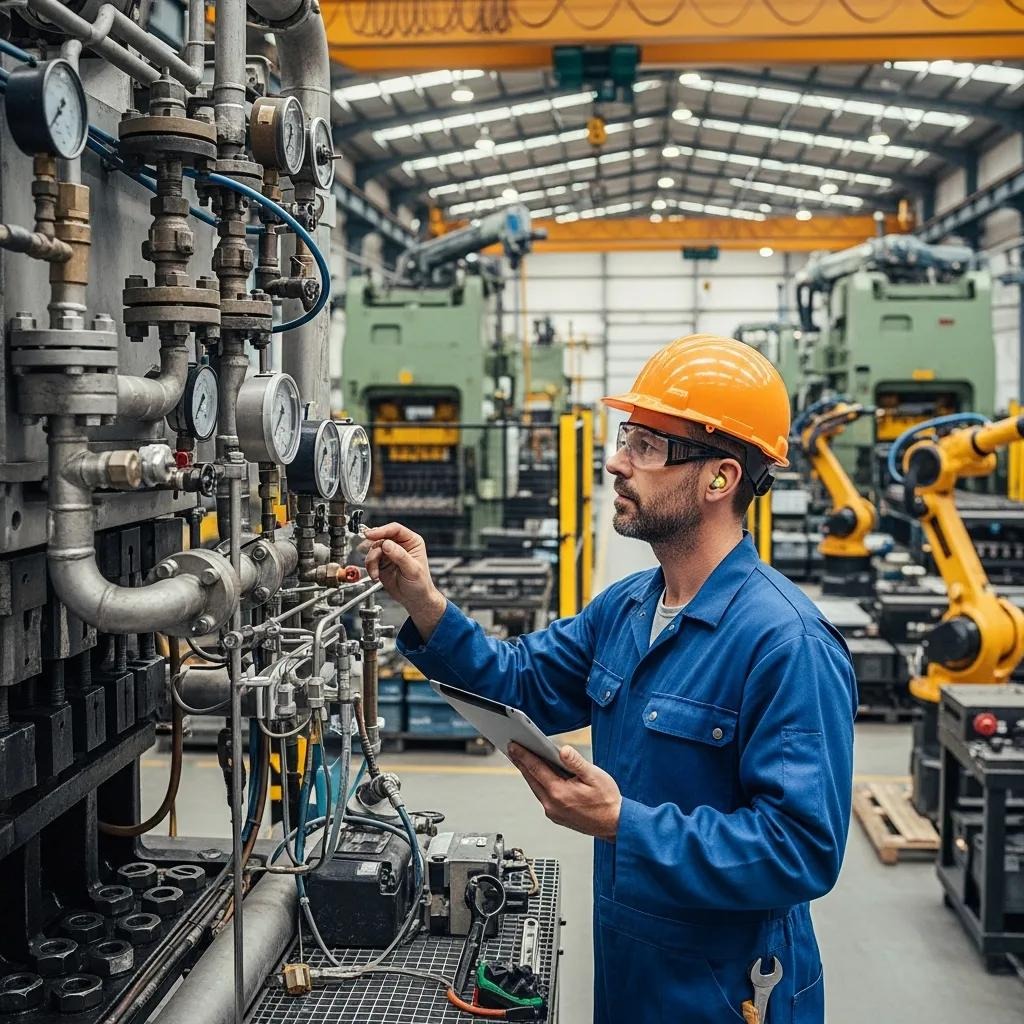
Industrial mechanical contractors play a crucial role in the construction and maintenance of industrial facilities. They specialize in a range of services, including mechanical system installation, equipment maintenance, and project management. Understanding the specific functions and responsibilities of these contractors can help businesses make informed decisions when selecting a partner for their industrial projects. This article will explore the core roles of industrial mechanical contractors, how to choose the right one, and the importance of safety and quality standards in their operations. Additionally, we will discuss how consulting services and project management solutions can enhance the effectiveness of these contractors.
How to Choose the Right Industrial Mechanical Contractor
Selecting the right industrial mechanical contractor is essential for the success of any industrial project. Here are some key steps to consider:
- Research Local Firms: Start by identifying contractors in your area who specialize in industrial mechanical services. Look for companies with a solid reputation and positive reviews.
- Evaluate Experience: Assess the contractor’s experience in handling projects similar to yours. A contractor with a proven track record in your industry will likely understand your specific needs better.
- Check Qualifications: Ensure that the contractor holds the necessary licenses and certifications. This includes verifying their compliance with safety standards and industry regulations.
Choosing the right contractor can significantly impact the efficiency and quality of your project. LMC Industrial Contractors, Inc. specializes in consulting services and project management solutions tailored for industrial construction projects, ensuring that clients receive expert guidance throughout the process.
What Are the Core Roles and Responsibilities of an Industrial Mechanical Contractor?
Industrial mechanical contractors are responsible for a variety of tasks that are critical to the successful operation of industrial facilities. Their core roles include: mechanical
- Project Management: Overseeing the planning, execution, and completion of mechanical projects, ensuring they are delivered on time and within budget.
- Mechanical Services: Installing, maintaining, and repairing mechanical systems, including HVAC systems and piping.
- Safety Compliance: Adhering to safety regulations and standards to minimize risks and ensure a safe working environment.
These responsibilities highlight the importance of selecting a contractor with the right expertise and experience to manage complex industrial projects effectively.
How Do Industrial HVAC Installation and Mechanical Insulation Services Fit Into Contractor Duties?
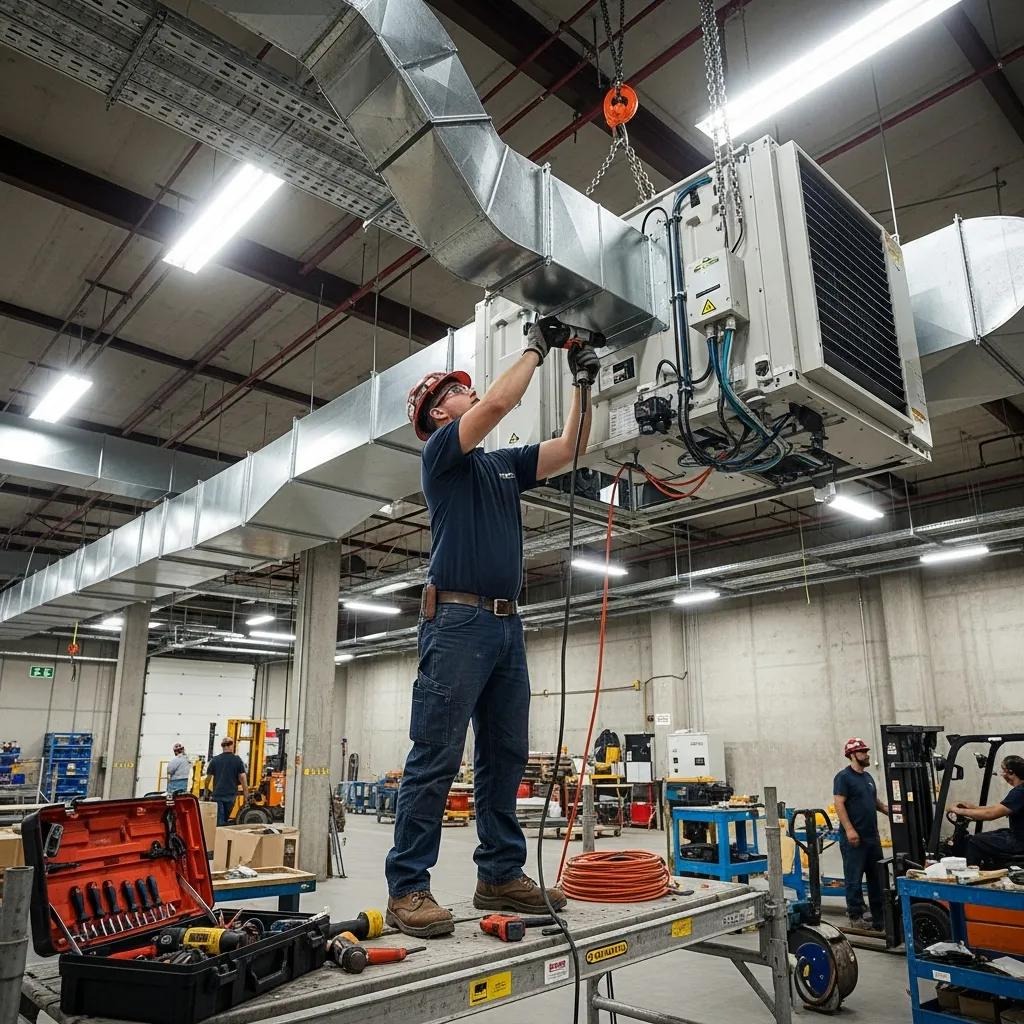
Industrial HVAC installation and mechanical insulation services are integral components of an industrial mechanical contractor’s responsibilities.
- Importance of HVAC Systems: HVAC systems are essential for maintaining optimal working conditions in industrial facilities. Proper installation and maintenance ensure energy efficiency and comfort for employees.
- Role of Mechanical Insulation: Mechanical insulation helps improve energy efficiency by reducing heat loss or gain in piping and ductwork. This not only lowers energy costs but also contributes to a more sustainable operation.
- Energy Efficiency Benefits: By investing in high-quality HVAC and insulation services, businesses can achieve significant energy savings and enhance overall operational efficiency.
Understanding these aspects can help businesses appreciate the value of hiring skilled industrial mechanical contractors.
The significant energy consumption associated with HVAC systems underscores the importance of efficient installation and maintenance practices.
HVAC Energy Efficiency for Industrial Facilities
Heating, ventilation and air-conditioning (HVAC) systems account for approximately half of all energy usage in the operational phase of a building’s lifecycle.
Improving energy efficiency of HVAC systems in buildings: a review of best practices, 2022
What Are the Key Industrial Equipment Maintenance and Piping Contractor Functions?
Industrial equipment maintenance and piping are critical functions performed by mechanical contractors. These functions include:
- Specialized Services: Contractors provide specialized maintenance services for various types of industrial equipment, ensuring they operate efficiently and reliably.
- Safety Compliance: Regular maintenance helps identify potential safety hazards, allowing for timely interventions that prevent accidents and equipment failures.
- Quality Control: Implementing quality control measures during maintenance ensures that all equipment meets industry standards and operates at peak performance.
These functions are vital for maintaining the longevity and efficiency of industrial operations.
How Can You Effectively Choose the Right Industrial Mechanical Contractor?
To effectively choose the right industrial mechanical contractor, consider the following strategies: Learn more about us.
- Assess Project Needs: Clearly define the scope and requirements of your project to identify contractors with relevant expertise.
- Request Proposals: Solicit detailed proposals from multiple contractors, comparing their approaches, timelines, and costs.
- Check References: Contact previous clients to gain insights into the contractor’s performance, reliability, and quality of work.
By following these steps, businesses can make informed decisions that align with their project goals.
What Contractor Certifications and Safety Standards Should You Verify?
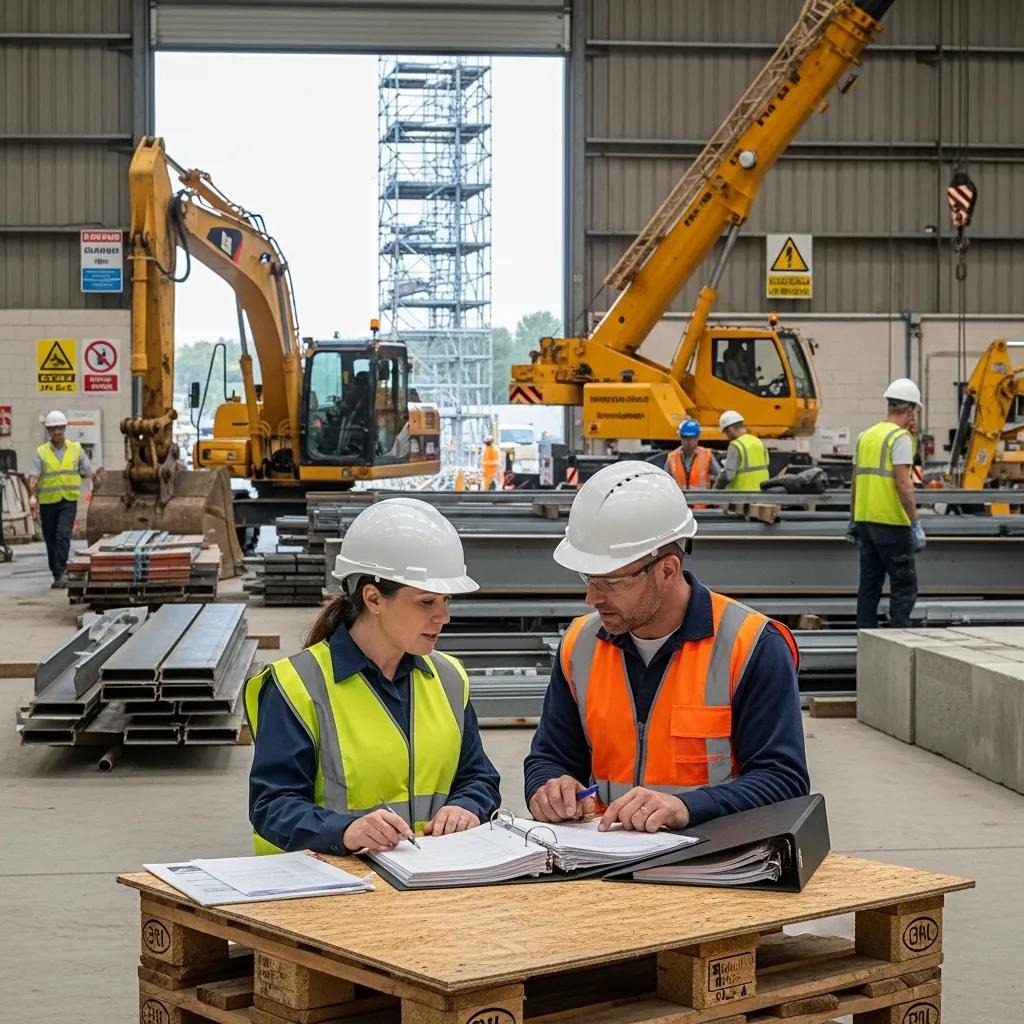
When selecting an industrial mechanical contractor, it is crucial to verify their certifications and adherence to safety standards. Key certifications to look for include: mechanical.
- OSHA Certifications: Ensure the contractor complies with Occupational Safety and Health Administration regulations, which promote workplace safety.
- Safety Audits: Check if the contractor undergoes regular safety audits to maintain compliance with industry standards.
- Training Programs: Verify that the contractor provides ongoing training for their employees to keep them updated on safety practices and technologies.
These certifications and standards are essential for ensuring a safe and compliant work environment.
Indeed, the impact of regulatory bodies like OSHA on industrial compliance and the reduction of workplace injuries has been well-documented.
OSHA Enforcement & Industrial Workplace Safety Impact
This paper develops and tests a three-equation simultaneous model of OSHA enforcement behavior, industrial compliance and workplace injuries. The enforcement equation is based on the assumption that OSHA acts as a political institution that gains support through the transfer of wealth from firms to employees; the empirical results are largely consistent with this notion. Contrary to previous work, we find that OSHA enforcement efforts have, indeed, had a statistically significant impact on industrial compliance and, further, that this compliance has led to a statistically significant decrease in worker injuries.
OSHA Enforcement,
Industrial Compliance and Workplace Injuries, AP Bartel, 1982
Which Selection Criteria Ensure Quality, Efficiency, and Risk Reduction?
To ensure quality, efficiency, and risk reduction when selecting an industrial mechanical contractor, consider the following criteria:
- Safety Protocols: Evaluate the contractor’s safety protocols and their commitment to maintaining a safe work environment.
- Experience and Expertise: Look for contractors with extensive experience in your specific industry and a proven track record of successful projects.
- Quality Assurance Processes: Ensure the contractor has established quality assurance processes to monitor and maintain high standards throughout the project.
By focusing on these criteria, businesses can mitigate risks and enhance project outcomes.
What Project Management Solutions Enhance Industrial Mechanical Contracting Success?
Effective project management solutions are vital for the success of industrial mechanical contracting. These solutions include:
- Structured Project Management: Implementing structured project management methodologies helps streamline processes and improve communication among stakeholders.
- Advanced Tools: Utilizing advanced project management tools can enhance planning, scheduling, and resource allocation, leading to more efficient project execution.
- Client-Centric Communication: Maintaining open lines of communication with clients ensures that their needs are met and any issues are addressed promptly.
These project management solutions contribute to the overall success of industrial mechanical contracting.
Indeed, the strategic application of project management is recognized as a crucial factor in the successful execution of complex industrial endeavors.
Project Management for Large Industrial Structures
One of such tools is project management, which is a targeted process of development and implementation of decisions aimed at successful execution of works within innovative activity. According to this, the purpose of the research is consideration of the models of project management of large industrial structures’ innovative activities that are used in the Russian and foreign practice.
The role of project management of the innovative activities of large industrial structures, 2017
How Do Consulting Services Improve Contractor Coordination and Project Outcomes?
Consulting services play a significant role in improving contractor coordination and project outcomes. Key benefits include: civil
- Open Communication: Consulting services facilitate open communication between contractors and clients, ensuring that expectations are aligned.
- Resource Management: Effective consulting helps optimize resource allocation, reducing waste and improving project efficiency.
- Quality Results: By leveraging expert insights, consulting services can enhance the quality of project outcomes, leading to greater client satisfaction.
These advantages underscore the importance of integrating consulting services into industrial mechanical contracting.
What Are Best Practices for Managing Industrial Mechanical Projects?
Managing industrial mechanical projects effectively requires adherence to best practices, including:
- Structured Project Management: Implementing a structured approach to project management ensures that all aspects of the project are organized and monitored.
- Advanced Planning Techniques: Utilizing advanced planning techniques helps anticipate potential challenges and develop strategies to address them proactively.
- Safety Protocols: Prioritizing safety protocols throughout the project lifecycle minimizes risks and enhances overall project success.
By following these best practices, businesses can achieve successful project outcomes.
Why Are Safety Protocols and Quality Standards Critical in Industrial Mechanical Contracting?
Safety protocols and quality standards are critical in industrial mechanical contracting for several reasons:
- Minimizing Risks: Adhering to safety protocols helps minimize risks associated with industrial operations, protecting both workers and equipment.
- Enhancing Project Efficiency: Quality standards ensure that all work meets industry requirements, leading to more efficient project execution.
- Fostering Accountability: Establishing clear safety and quality standards fosters accountability among contractors and their teams.
These factors highlight the importance of prioritizing safety and quality in industrial mechanical contracting.
How Do Updated Safety Certifications Impact Contractor Performance?
Updated safety certifications can significantly impact contractor performance by:
- Enhanced Credibility: Contractors with current certifications demonstrate their commitment to safety and quality, enhancing their credibility in the industry.
- Improved Safety Management: Regular updates to safety certifications ensure that contractors are aware of the latest safety practices and technologies.
- Increased Client Trust: Clients are more likely to trust contractors who prioritize safety and maintain up-to-date certifications, leading to stronger business relationships.
These benefits illustrate the importance of maintaining updated safety certifications in the contracting industry.
What Quality Assurance Measures Ensure Compliance and Reliability?
Quality assurance measures are essential for ensuring compliance and reliability in industrial mechanical contracting. Key measures include: mechanical
- Regular Audits: Conducting regular audits helps identify areas for improvement and ensures compliance with industry standards.
- Quality Control Processes: Implementing robust quality control processes ensures that all work meets established standards and specifications.
- Certified Personnel: Employing certified personnel guarantees that skilled professionals are overseeing critical aspects of the project.
These quality assurance measures contribute to the overall reliability and success of industrial mechanical projects.
Frequently Asked Questions
What types of projects do industrial mechanical contractors typically handle?
Industrial mechanical contractors typically handle a wide range of projects, including the installation and maintenance of mechanical systems such as HVAC, piping, and industrial equipment. They are involved in both new construction and renovation projects, ensuring that mechanical systems are designed, installed, and maintained to meet industry standards. Additionally, they may work on specialized projects that require unique mechanical solutions, such as energy efficiency upgrades or system retrofits, tailored to the specific needs of industrial facilities.
How do industrial mechanical contractors ensure compliance with environmental regulations?
Industrial mechanical contractors ensure compliance with environmental regulations by staying informed about local, state, and federal laws that govern industrial operations. They implement best practices in waste management, emissions control, and resource conservation during project execution. Additionally, many contractors undergo regular training and certification to understand the latest environmental standards. By integrating sustainable practices into their operations, they help clients minimize their environmental impact while maintaining compliance with regulatory requirements.
What role do industrial mechanical contractors play in energy efficiency initiatives?
Industrial mechanical contractors play a crucial role in energy efficiency initiatives by designing and implementing systems that reduce energy consumption. They assess existing mechanical systems and recommend upgrades or replacements that enhance efficiency, such as high-efficiency HVAC units or improved insulation. Contractors also conduct energy audits to identify areas for improvement and help clients access incentives or rebates for energy-efficient upgrades. Their expertise ensures that industrial facilities operate more sustainably, leading to cost savings and reduced environmental impact.
How can businesses assess the reliability of an industrial mechanical contractor?
Businesses can assess the reliability of an industrial mechanical contractor by reviewing their track record, including past project successes and client testimonials. Checking references and seeking feedback from previous clients can provide insights into the contractor’s performance, communication, and adherence to deadlines. Additionally, verifying the contractor’s certifications, safety records, and industry affiliations can further indicate their reliability and commitment to quality. Conducting thorough due diligence before hiring can help ensure a successful partnership.
What are the benefits of hiring a contractor with specialized industry experience?
Hiring a contractor with specialized industry experience offers several benefits, including a deeper understanding of specific operational challenges and regulatory requirements. Such contractors are more likely to implement tailored solutions that enhance project efficiency and effectiveness. Their familiarity with industry standards and best practices can lead to improved safety and compliance outcomes. Additionally, specialized contractors often have established relationships with suppliers and regulatory bodies, which can facilitate smoother project execution and potentially reduce costs.
What technologies are commonly used by industrial mechanical contractors to improve project outcomes?
Industrial mechanical contractors commonly use various technologies to improve project outcomes, including Building Information Modeling (BIM) for enhanced planning and visualization, project management software for efficient scheduling and resource allocation, and energy modeling tools to assess system performance. Additionally, contractors may utilize advanced diagnostic tools for maintenance and troubleshooting, ensuring that mechanical systems operate at peak efficiency. These technologies help streamline processes, reduce errors, and enhance overall project quality and client satisfaction.
How do consulting services complement the work of industrial mechanical contractors?
Consulting services complement the work of industrial mechanical contractors by providing expert guidance on project planning, resource management, and compliance with industry standards. Consultants can help identify project goals, assess risks, and develop strategies to optimize project execution. They also facilitate communication between contractors and clients, ensuring that expectations are aligned. By leveraging consulting expertise, contractors can enhance their operational efficiency, improve project outcomes, and ultimately deliver greater value to their clients.
Conclusion
Choosing the right industrial mechanical contractor is essential for ensuring project success, safety, and efficiency. By understanding their core roles, responsibilities, and the importance of certifications, businesses can make informed decisions that align with their operational goals. Explore our range of consulting services and project management solutions to enhance your industrial projects today. Partner with us to ensure your mechanical needs are met with expertise and quality.
