
Locating dependable structural fabrication services requires a clear checklist tied to your project scope. This article summarizes selection criteria, the benefits of custom fabrication, how to evaluate local steel fabricators, and the quality and safety standards that affect outcomes.
Key Factors to Consider When Selecting a Provider
Evaluate technical capability, quality management and safety performance to ensure a fabricator matches your project requirements.
- Experience and Expertise : Seek firms with relevant project experience and demonstrable results.
- Quality of Workmanship : Inspect past work and verify material and finish standards.
- Safety Record : Confirm safety policies, incident history and training programmes.
For expert assistance in evaluating providers, LMC Industrial Contractors Inc. provides consulting to align selection with project goals.
What Are Custom Structural Steel Fabrication Services?
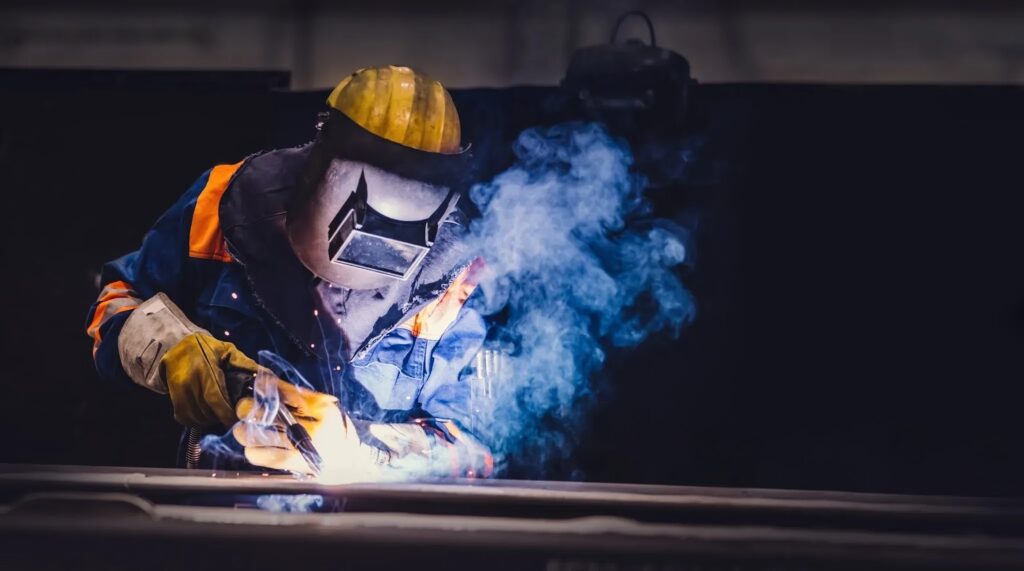
Custom structural steel fabrication covers engineering, cutting, forming and assembling steel components to meet specific structural, site and regulatory needs.
- Durability and Design Flexibility : Enables bespoke shapes and durable solutions for site and aesthetic needs.
- Faster Construction Timelines : Prefabrication reduces on-site labour and shortens schedules.
- Quality Assurance : Fabricators usually apply inspection and testing to meet standards.
Defining Structural Steel Fabrication and Its Importance
Structural steel fabrication transforms raw steel into load-bearing elements for buildings, bridges and infrastructure, delivering predictable performance and long-term durability.
- Strength and Durability : Steel offers a high strength-to-weight ratio suited to many structural uses.
- Applications in Various Structures : Used across residential, commercial and industrial projects.
- Benefits of Steel Fabrication : Enhances integrity and service life when fabricated to specification.
How to Choose Reliable Local Steel Fabrication Companies?
Verify relevant experience, welding and material practices, and a documented safety and compliance record before engaging a local fabricator.
- Experience and Expertise : Confirm similar project experience and review a project portfolio.
- Quality of Workmanship : Check material traceability, weld procedures and finishes.
- Safety Record : Require safety documentation and routine audit results.
Matching these checks to your specifications reduces execution risk and costly rework.
Key Criteria for Selecting Industrial Fabrication Contractors
Prioritise safety performance, certified processes and demonstrated project success to ensure contractual and regulatory compliance.
- Safety Record : A proven safety culture reduces site risk.
- Certifications : Look for industry certifications that validate procedures.
- Project Portfolio : Use past projects to assess capability and scope handling.
Benefits of Working with Local Fabrication Shops
Local shops offer logistical advantages, shorter lead times and closer coordination on quality and safety.
- Cost-Effectiveness : Lower transport costs and simpler logistics can reduce total project spend.
- Quicker Turnaround Times : Proximity enables faster iterations and deliveries.
- Personalized Service : Local providers often deliver tailored solutions and direct communication.
EAV Table: Benefits of Local vs. Non-Local Fabrication Services
The table below summarises typical differences in cost, speed and service.
| Benefit | Local Fabrication Services | Non-Local Fabrication Services |
|---|---|---|
| Cost | Lower transportation costs | Higher transportation costs |
| Speed | Faster delivery times | Longer delivery times |
| Service | Personalized attention | Standardized service |
This comparison underscores why many projects prefer local fabrication services for better schedule and cost control.
What Quality Standards and Safety Protocols Govern Metal Fabrication Services?
Fabrication is governed by certified welding and material standards, quality assurance procedures and enforced site safety measures to limit operational risk.
- Certifications and Standards : Certifications ensure components meet safety and performance criteria.
- Quality Assurance and Control : Systematic inspections and records are essential to maintain standards.
- Safety Protocols : Enforced protocols and training reduce accidents and liability.
Industry Certifications and Compliance in Steel Fabrication
Keep records of applicable certifications, follow regulatory guidance and schedule audits to verify conformity with industry requirements.
- AWS and AISC Certifications : Common indicators of welding and structural compliance.
- Regulatory Bodies : Ensure compliance with relevant governing agencies.
- Compliance Practices : Regular inspections and documented processes maintain conformity.
How Project Management Enhances Fabrication Quality and Efficiency
Structured project management coordinates planning, resources, quality control and stakeholder communication to reduce waste and schedule variance.
- Effective Planning : Clear plans reduce delays and material waste.
- Communication : Frequent, documented communication prevents misunderstandings.
- Quality Control Measures : Continual checks ensure components meet specifications.
What Are Typical Lead Times and Cost Factors for Structural Fabrication Projects?
Lead times and costs depend on project complexity, material lead times and shop capacity; early consultation improves forecast accuracy.
- Project Complexity : Complex geometries and tolerances extend schedules.
- Material Availability : Material lead times and shortages affect delivery and price.
- Consultation for Estimates : Early engagement gives more accurate timelines and costs.
Estimating Fabrication Costs and Scheduling for Project Planning
Accurate estimates require clear specifications, verified material quantities and inclusion of overhead and contingency allowances.
- Assess Project Specifications : Define scope and tolerances to avoid scope creep.
- Calculate Material Quantities : Verify quantities to prevent over- or under-ordering.
- Include Overheads : Factor in handling, transport and contingency costs.
How Local Fabrication Services Reduce Delays and Costs
Using local fabrication reduces logistics complexity, enables faster response to design changes and lowers transport expenses, improving schedule and budget outcomes.
- Proximity to Clients : Faster site visits and quicker approvals.
- In-House Fabrication : Reduces reliance on external suppliers and subcontractors.
- Streamlined Communication : Direct dialogue shortens decision loops and reduces errors.
Frequently Asked Questions
What types of projects benefit most from custom structural steel fabrication?
Projects with non-standard geometries, specific load requirements or strict regulatory needs—such as commercial structures, bridges and specialised industrial installations—benefit most.
How can I ensure the safety of my project when working with a fabrication company?
Verify the fabricator’s safety record, training, audits and written procedures, and include safety requirements in contracts and project plans.
What are the common challenges faced in structural steel fabrication?
Common challenges are material shortages, tight tolerances and compressed schedules; tight coordination and quality control reduce rework.
How do I evaluate the quality of a fabrication company’s previous work?
Review portfolios, case studies and client references, and where possible inspect completed work or request on-site visits.
What role does technology play in modern structural steel fabrication?
BIM, CNC equipment and automated welding improve precision, reduce errors and support constructability reviews.
Are there environmental considerations in structural steel fabrication?
Consider recycled steel, waste minimisation, energy-efficient processes and low-impact coatings to meet sustainability goals.
What should I ask a fabrication company during the initial consultation?
Ask about relevant experience, quality control, certifications, safety programmes, lead times, pricing structure and change management processes.
Conclusion
Selecting the right structural fabrication provider improves safety, quality and schedule adherence. Prioritise local, certified fabricators with proven experience, clear quality systems and direct communication to achieve reliable, cost-effective results.
