
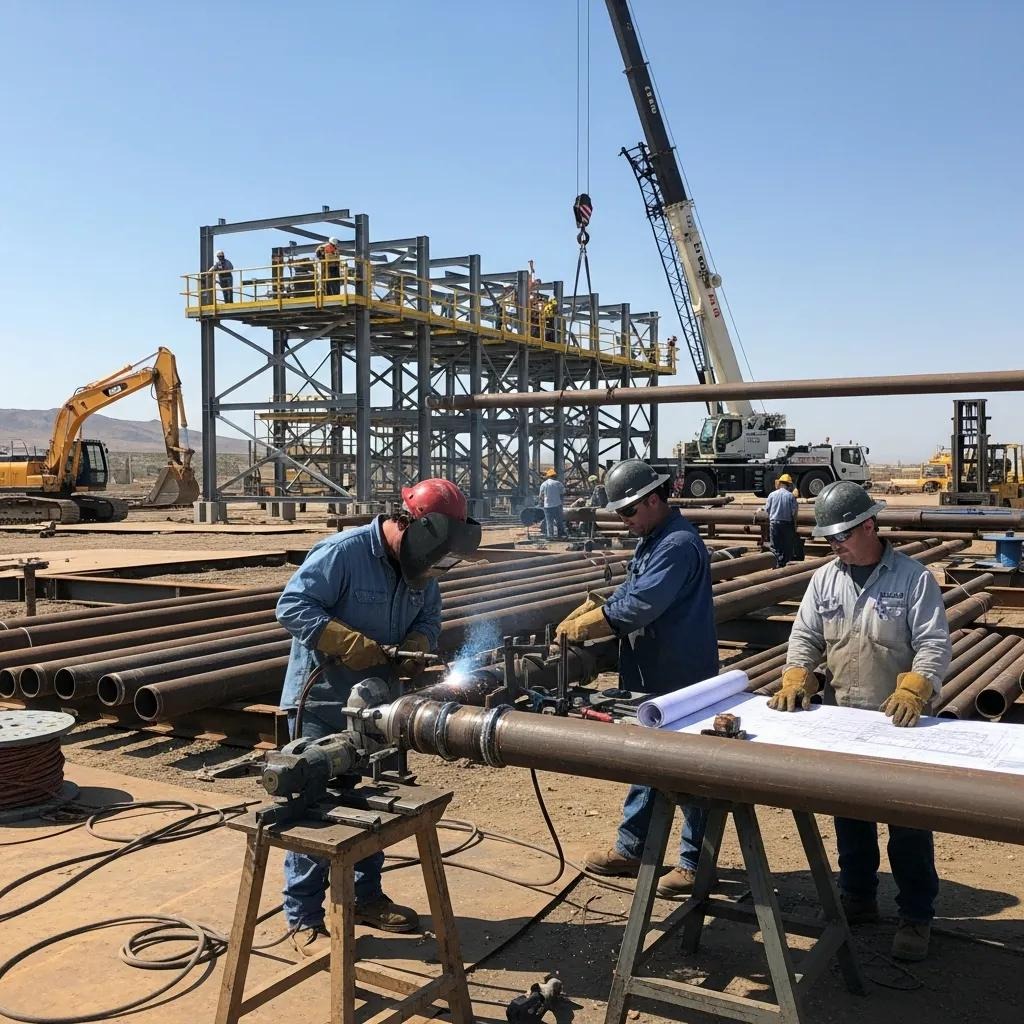
Understanding the differences between process piping and pipe spool fabrication is crucial for project owners embarking on industrial construction projects. These two methods serve distinct purposes and are integral to the overall efficiency and safety of piping systems. This article, authored by industry experts with decades of combined experience, will delve into the key differences, the processes involved, and the considerations project owners must keep in mind before work begins. By exploring these topics, readers will gain valuable insights into how to optimize their projects and ensure compliance with industry standards. The discussion will cover the definitions, core steps, quality control measures, and the implications of choosing between these two approaches, supported by references to authoritative sources and industry best practices.
What Are the Key Differences Between Process Piping and Pipe Spool Fabrication?
Process piping refers to the system of pipes used to transport fluids and gases in various industrial applications, while pipe spool fabrication involves the pre-manufacturing of pipe sections, known as spools, which are then assembled on-site. The primary difference lies in their application and construction methods.
- Definition of Process Piping: This involves the installation of piping systems that transport chemicals, gases, and other materials within a facility. It is crucial for maintaining the flow of production processes and requires adherence to stringent engineering standards.
- Definition of Pipe Spool Fabrication: This process entails creating prefabricated sections of piping, which are assembled off-site and then transported to the installation location. This method enhances efficiency, reduces on-site labor, and allows for better quality control in a controlled environment.
- Key Applications and Industries: Process piping is commonly used in industries such as oil and gas, pharmaceuticals, and food processing, while pipe spool fabrication is prevalent in construction and manufacturing sectors, where modular assembly can significantly reduce project timelines.
Understanding these differences helps project owners make informed decisions about which method best suits their project needs, ensuring alignment with operational goals and regulatory requirements.
How Do Process Piping Services Define Industrial Piping Projects?
Process piping services are structured to ensure that industrial piping projects meet safety and regulatory compliance standards. These services encompass the design, installation, and maintenance of piping systems, focusing on the specific requirements of each project. Our team of certified engineers and technicians follows industry-leading protocols to deliver reliable and efficient piping solutions.
- Characteristics of Industrial Piping Projects: These projects often involve complex systems that require precise engineering, material selection, and adherence to safety regulations such as ASME B31.3 and OSHA standards.
- Importance of Safety and Regulatory Compliance: Ensuring compliance with industry standards is critical to prevent accidents, environmental hazards, and costly downtime, thereby safeguarding personnel and assets.
- Applications in Various Sectors: Process piping services are utilized across multiple sectors, including chemical manufacturing, power generation, and water treatment, each with unique regulatory and operational demands.
By understanding how these services define industrial projects, owners can better navigate the complexities of their piping needs and engage qualified professionals for successful project execution.
What Are the Core Steps in the Pipe Spool Fabrication Process?
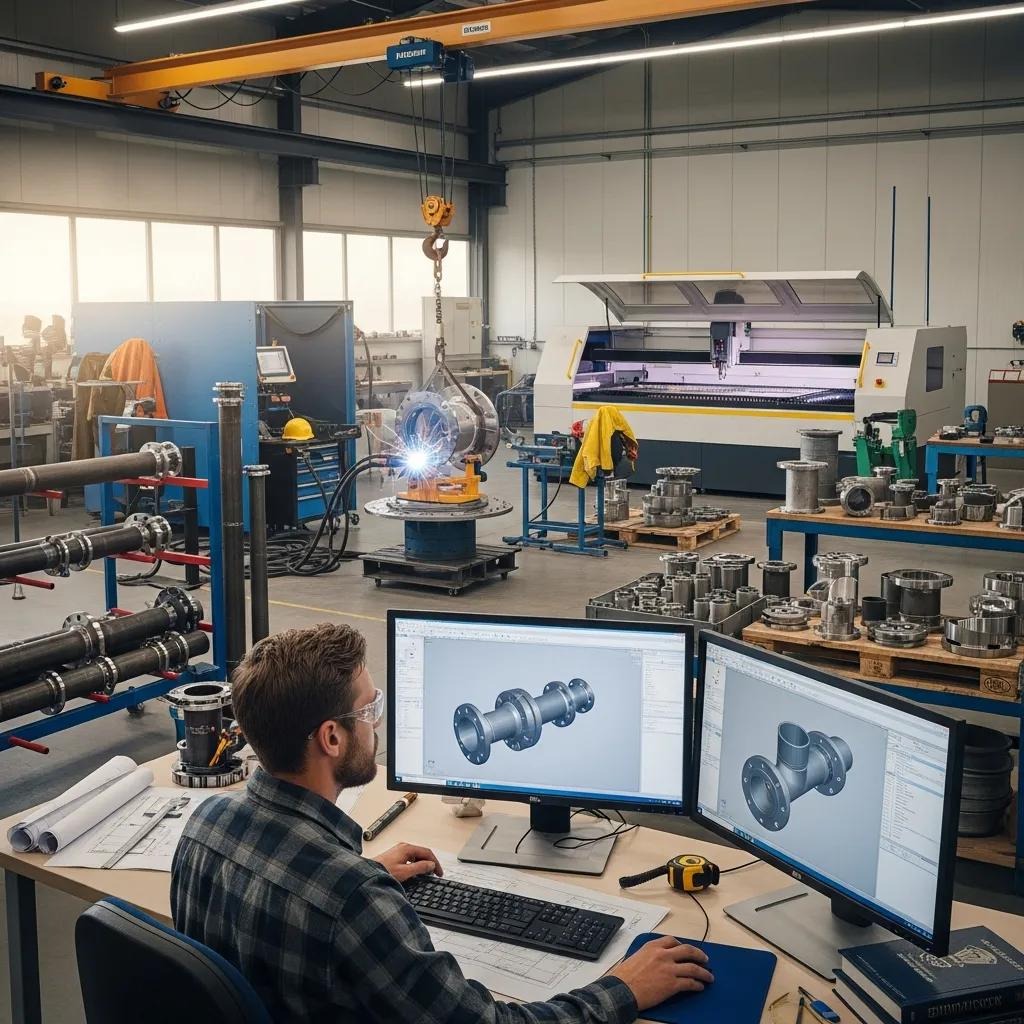
The pipe spool fabrication process involves several critical steps that ensure the quality and efficiency of the final product. These steps are developed based on industry standards and continuous improvement practices to meet stringent project specifications.
Understanding the complexities and factors that influence productivity is crucial for successful project delivery in this specialized area. Our fabrication facilities are equipped with state-of-the-art technology and staffed by certified welders and inspectors to maintain high-quality standards.
Factors Affecting Pipe Spool Fabrication Productivity
Pipe spool fabrication is an early stage in industrial construction projects and is crucial for the successful delivery of a project. Pipe spool fabrication is a complex and uncertain process due to the uniqueness of its products. The productivity of the fabrication process and the factors affecting productivity are therefore of great importance to project managers and construction researchers alike.
Factors affecting productivity of pipe spool fabrication, AR Fayek, 2012
- Design Criteria: The initial phase includes designing the spools based on project specifications and requirements, utilizing advanced CAD software to ensure precision and compliance.
- Material Specifications: Selecting appropriate materials is essential for ensuring durability and compliance with industry standards such as ASTM and API.
- Quality Assurance Steps: Implementing quality control measures throughout the fabrication process is vital to ensure that the spools meet all necessary specifications, including dimensional accuracy and weld integrity.
These steps are crucial for delivering high-quality pipe spools that meet project demands and regulatory requirements.
<
EAV Table: Core Steps in Pipe Spool Fabrication
| Step | Description | Importance |
|---|---|---|
| Design | Creating spool designs based on specifications | Ensures accuracy and compliance |
| Material Selection | Choosing materials that meet project requirements | Affects durability and performance |
| Quality Control | Implementing QA measures during fabrication | Ensures product reliability |
This table highlights the essential steps in the pipe spool fabrication process, emphasizing their importance in delivering quality outcomes that comply with industry standards.
How Do Quality Control and Welding Standards Impact Pipe Fabrication Techniques?
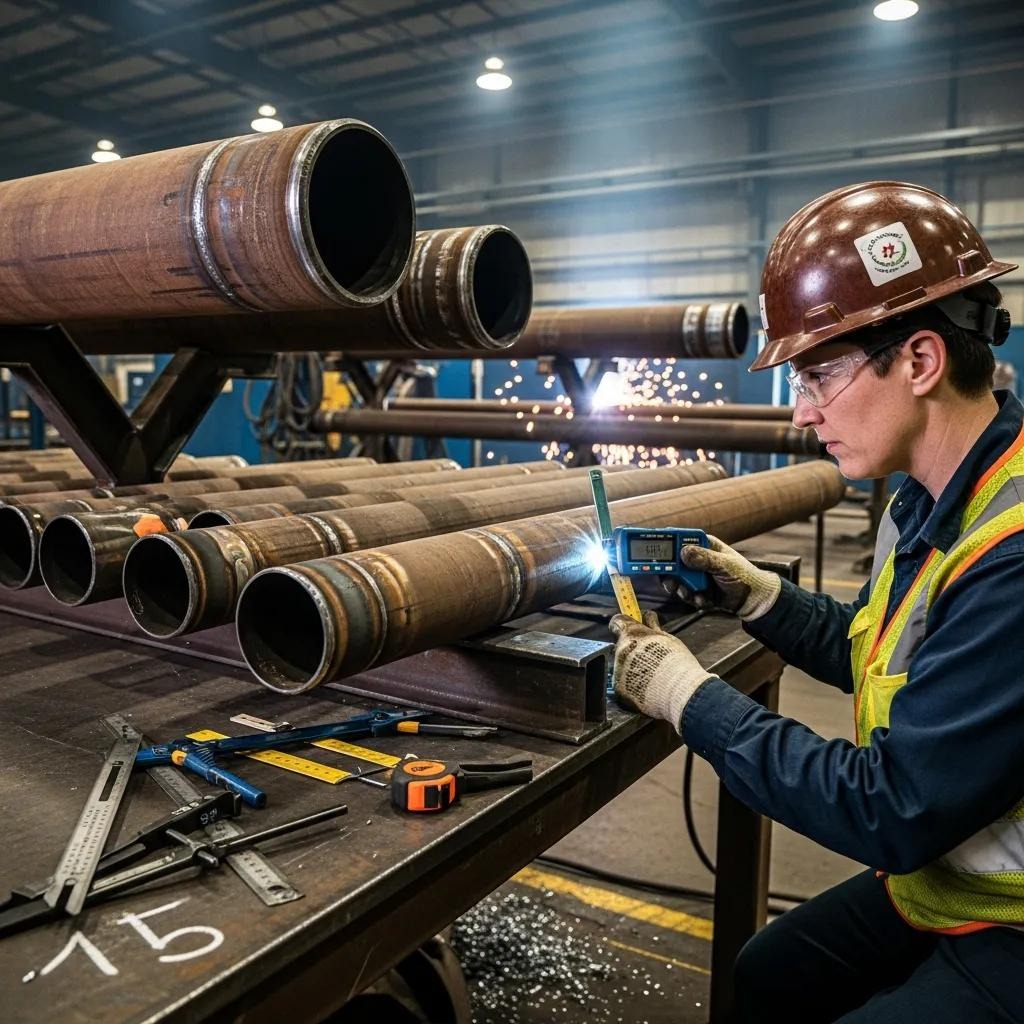
Quality control and welding standards play a significant role in the pipe fabrication process, influencing the techniques used and the overall quality of the final product. Our adherence to internationally recognized standards ensures that every spool fabricated meets or exceeds client and regulatory expectations.
Leveraging advanced technologies for quality control, such as automated 3D compliance checking, is becoming increasingly vital for ensuring precision and adherence to standards.
Automated 3D Compliance for Pipe Spool Quality Control
During the inspection procedure, recent advances in electronic technology for data acquisition and processing have been fused for use in construction quality control procedures [1].
Automated 3D compliance checking enhances accuracy and reduces human error in pipe spool fabrication.
D compliance checking in pipe spool fabrication, M Nahangi, 2014
- Importance of QA/QC Programs: Quality assurance and quality control programs are essential for maintaining high standards throughout the fabrication process, including non-destructive testing (NDT) and weld inspections.
- Welding Standards Compliance: Adhering to established welding standards such as AWS D1.1 and ASME Section IX ensures that the spools are structurally sound and safe for use.
- Impact on Project Outcomes: Effective quality control measures lead to fewer defects and rework, ultimately saving time and costs while enhancing safety and reliability.
By understanding these impacts, project owners can better appreciate the importance of quality control in their projects and select partners committed to excellence.
Which Welding Standards Govern Industrial Pipe Spool Fabrication?
Several welding standards govern the practices involved in industrial pipe spool fabrication, ensuring safety and quality. Our welding procedures are developed in strict accordance with these standards to guarantee the highest level of workmanship.
Detailed welding procedures are fundamental to guiding welders and ensuring the structural integrity and safety of fabricated components.
Essential Welding Procedures for Industrial Piping Safety
The document discusses welding procedures specifically for hydroelectric generation, emphasizing the importance of Welding Specification Procedures (WPS) in guiding welders on techniques and parameters. It details various welding processes used in hydraulics, such as SMAW, GTAW, GMAW, and FCAW, highlighting their advantages and suitable applications. The conclusion underscores the critical role of welding in the operation and safety of hydroelectric machines, advocating for proper knowledge, qualifications, and meticulous record-keeping in welding practices.
Welding Procedures, 2014
- Overview of ASME Standards: The American Society of Mechanical Engineers (ASME) provides guidelines that govern the design and fabrication of piping systems, including ASME B31.3 for process piping.
- Importance of AWS Standards: The American Welding Society (AWS) standards outline the requirements for welding processes and qualifications, ensuring weld quality and consistency.
- Compliance Requirements: Adhering to these standards is crucial for ensuring that the fabricated spools meet industry safety and performance criteria, reducing liability and enhancing project success.
Understanding these standards helps project owners ensure compliance and quality in their piping projects, supported by certified welding inspectors and documented procedures.
How Does Quality Control Ensure Compliance in Process Piping Projects?
Quality control is integral to ensuring compliance in process piping projects, involving systematic procedures and checks throughout the project lifecycle. Our quality management systems are ISO 9001 certified, reflecting our commitment to excellence.
- QA/QC Procedures: Implementing robust quality assurance and control procedures helps identify and mitigate potential issues early in the process, including material traceability and inspection checkpoints.
- Material Verification: Ensuring that materials meet specified standards is critical for maintaining the integrity of the piping system, supported by certified material test reports (MTRs).
- Testing and Documentation: Regular testing and thorough documentation are essential for demonstrating compliance with industry regulations, including hydrostatic testing and radiographic inspections.
By prioritizing quality control, project owners can enhance the reliability and safety of their piping systems.
What Should Project Owners Consider When Choosing Between Process Piping and Pipe Spool Fabrication?
When deciding between process piping and pipe spool fabrication, project owners should consider several key factors, informed by expert consultation and project-specific analysis.
- Material Selection: The choice of materials can significantly impact the performance and longevity of the piping system, with considerations for corrosion resistance and mechanical properties.
- Installation Speed: Pipe spool fabrication often allows for faster installation compared to traditional process piping methods, reducing on-site labor and project duration.
- Cost Efficiency: Evaluating the overall costs associated with each method is essential for budget management, including labor, materials, and potential rework.
These considerations are vital for making informed decisions that align with project goals and risk management strategies.
Partner with Industry Experts for Your Piping Projects
For project owners seeking expert guidance, LMC Industrial Contractors, Inc. specializes in industrial construction consulting and project management, particularly in process piping and pipe spool fabrication projects. Our team combines extensive industry experience with cutting-edge technology to streamline project workflows and enhance overall outcomes. Contact us today to learn how we can support your next project.
How Do Project Management Strategies Optimize Process Piping and Fabrication Workflows?
Effective project management strategies are crucial for optimizing workflows in fabrication projects and process piping projects. Our certified project managers employ industry best practices to ensure seamless coordination and execution.
- Structured Project Management Approach: Implementing a structured approach helps ensure that all project phases are executed efficiently, utilizing methodologies such as PMI’s PMBOK and Agile frameworks.
- Use of Advanced Technologies: Leveraging technology can enhance communication and coordination among project teams, including the use of BIM, project management software, and real-time reporting tools.
- Safety Protocols: Establishing safety protocols is essential for minimizing risks and ensuring a safe working environment, supported by OSHA compliance and regular safety training.
By adopting these strategies, project owners can improve project efficiency and outcomes, reducing delays and cost overruns.
What Are the Cost and Time Implications for Project Owners?
Understanding the cost and time implications of process piping and pipe spool fabrication is essential for project planning. Our transparent cost analysis and scheduling expertise help clients make informed decisions.
- Cost Range for Services: The costs associated with each method can vary significantly based on project scope and complexity, with prefabrication often offering savings through reduced labor and faster installation.
- Time Management Strategies: Effective time management is crucial for meeting project deadlines and minimizing delays, supported by detailed project schedules and contingency planning.
- Importance of Planning: Thorough planning helps project owners anticipate potential challenges and allocate resources effectively, improving overall project control.
By considering these factors, project owners can better manage their budgets and timelines and achieve successful project delivery.
How Can Consulting and Project Management Services Enhance Industrial Pipe Fabrication Outcomes?
Consulting and project management services can significantly enhance the outcomes of industrial pipe fabrication projects. Our consultants bring specialized knowledge and proven methodologies to every engagement.
- Expertise and Knowledge: Engaging with experienced consultants provides valuable insights into best practices and industry standards, reducing risks and improving quality.
- Cost Efficiency: Effective project management can lead to cost savings by optimizing resource allocation and minimizing waste, supported by data-driven decision-making.
- Risk Management: Identifying and mitigating risks early in the project lifecycle is essential for ensuring successful outcomes, with comprehensive risk assessments and mitigation plans.
These services can provide project owners with the support needed to navigate complex industrial projects effectively, ensuring compliance and maximizing value.
What Benefits Do Consulting Services Provide in Process Piping Project Management?
Consulting services offer several benefits that can improve the management of process piping projects. General construction services are enhanced through expert guidance and innovative solutions.
- Streamlined Communication: Effective communication strategies enhance collaboration among project stakeholders, reducing misunderstandings and delays.
- Innovative Technologies: Consultants can introduce advanced technologies that improve project efficiency and safety, such as digital twins and IoT monitoring.
- Quality Assurance: Implementing quality assurance measures ensures that projects meet industry standards and client expectations, supported by continuous improvement processes.
By leveraging these benefits, project owners can enhance the overall success of their projects and achieve sustainable results.
How Do Expert Solutions Mitigate Risks and Improve Efficiency?
Expert solutions play a vital role in mitigating risks and improving efficiency in industrial projects. Our approach integrates skilled personnel, technology, and process optimization.
- Skilled Workforce: Employing a skilled workforce ensures that projects are executed with precision and expertise, supported by ongoing training and certification programs.
- Advanced Technologies: Utilizing cutting-edge technologies can streamline processes and enhance productivity, including automation and data analytics.
- Continuous Improvement: Fostering a culture of continuous improvement helps organizations adapt to changing industry demands and enhance project outcomes through feedback and innovation.
By focusing on these areas, project owners can achieve greater efficiency and reduce risks in their projects, ensuring long-term success.
Frequently Asked Questions
What are the main advantages of using pipe spool fabrication over traditional process piping?
Pipe spool fabrication offers several advantages, including reduced on-site labor and faster installation times. By prefabricating pipe sections in a controlled environment, the quality of the spools can be better managed, leading to fewer defects. This method also minimizes disruptions at the construction site, allowing for a more organized workflow. Additionally, it can lead to cost savings by decreasing the time required for installation and reducing the need for extensive on-site adjustments. These benefits are supported by industry case studies and client testimonials demonstrating improved project outcomes.
How do project owners ensure compliance with safety regulations during pipe fabrication?
Project owners can ensure compliance with safety regulations by implementing comprehensive quality assurance and control programs throughout the fabrication process. This includes regular inspections, adherence to established welding and fabrication standards, and thorough documentation of all procedures. Training workers on safety protocols and maintaining open communication about safety practices are also essential. By prioritizing these measures, project owners can significantly reduce the risk of accidents and ensure that all safety regulations are met, aligning with OSHA and industry best practices.
What role does technology play in optimizing pipe fabrication processes?
Technology plays a crucial role in optimizing pipe fabrication processes by enhancing precision and efficiency. Advanced software for design and modeling allows for accurate planning and visualization of piping systems. Additionally, automated quality control systems, such as 3D compliance checking, help ensure that fabricated components meet industry standards. The use of project management software can also streamline communication and coordination among teams, ultimately leading to improved project outcomes and reduced delays. Our investment in technology reflects our commitment to innovation and quality.
What factors should be considered when selecting materials for pipe spool fabrication?
When selecting materials for pipe spool fabrication, project owners should consider factors such as the intended application, environmental conditions, and compatibility with the transported fluids. Material durability, resistance to corrosion, and compliance with industry standards are also critical. Additionally, cost-effectiveness and availability of materials should be evaluated to ensure that the chosen materials align with project budgets and timelines. Proper material selection is essential for the long-term performance and safety of the piping system, supported by material certifications and supplier qualifications.
How can project management strategies improve the efficiency of industrial piping projects?
Effective project management strategies can significantly improve the efficiency of industrial piping projects by ensuring that all phases are executed systematically. This includes setting clear objectives, timelines, and resource allocations. Utilizing advanced technologies for communication and collaboration can enhance coordination among teams. Regular progress monitoring and risk assessment help identify potential issues early, allowing for timely interventions. By fostering a culture of continuous improvement, project managers can adapt to challenges and optimize workflows throughout the project lifecycle. Our certified project managers apply these principles to deliver successful projects on time and within budget.
What are the potential risks associated with process piping and pipe spool fabrication?
Potential risks associated with process piping and pipe spool fabrication include safety hazards, compliance failures, and project delays. Safety risks can arise from improper handling of materials or equipment, leading to accidents. Non-compliance with industry standards can result in costly rework or legal issues. Additionally, delays in fabrication or installation can impact project timelines and budgets. To mitigate these risks, project owners should implement robust quality control measures, conduct regular training, and maintain open lines of communication among all stakeholders. Engaging experienced contractors and consultants further reduces these risks.
Conclusion
Understanding the distinctions between process piping and pipe spool fabrication is essential for project owners aiming to enhance efficiency and safety in industrial construction. By leveraging the right approach, owners can optimize workflows, ensure compliance, and ultimately achieve better project outcomes. For tailored guidance and expert support, consider reaching out to our team at LMC Industrial Contractors, Inc. to explore how we can assist you in navigating your piping project needs with proven expertise and industry-leading solutions.
