
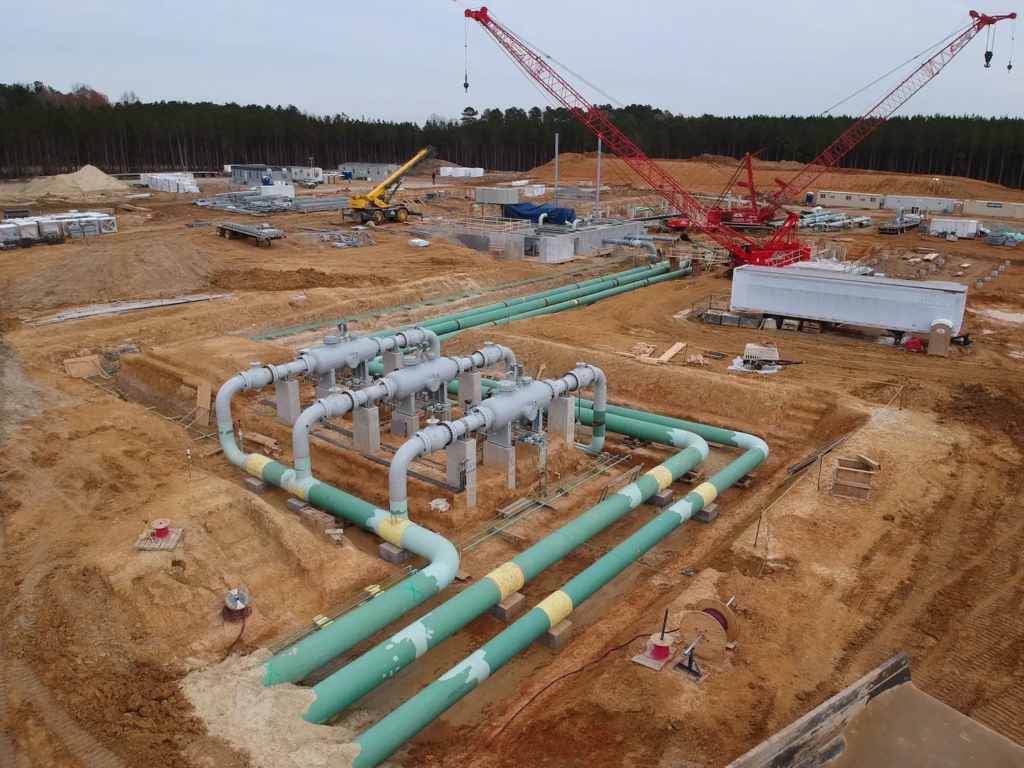
Compressor stations are essential to gas transport. Achieving peak efficiency requires specialised technical expertise and structured planning. This article outlines consulting strategies and project-management practices to improve station performance, summarises maintenance priorities and operational best practices, and explains how expert consulting produces measurable efficiency gains.
Industry analyses identify practical methods to enhance compressor station performance.
Boosting Oil & Gas Compressor Station Efficiency
Methods to optimise station performance target loss reduction and improved equipment utilisation. Key factors affecting compressor station performance are assessed to identify practical improvement opportunities.
Ways and methods of increasing the efficiency of compressor stations in oil and gas processes, 2026
Consulting Strategies
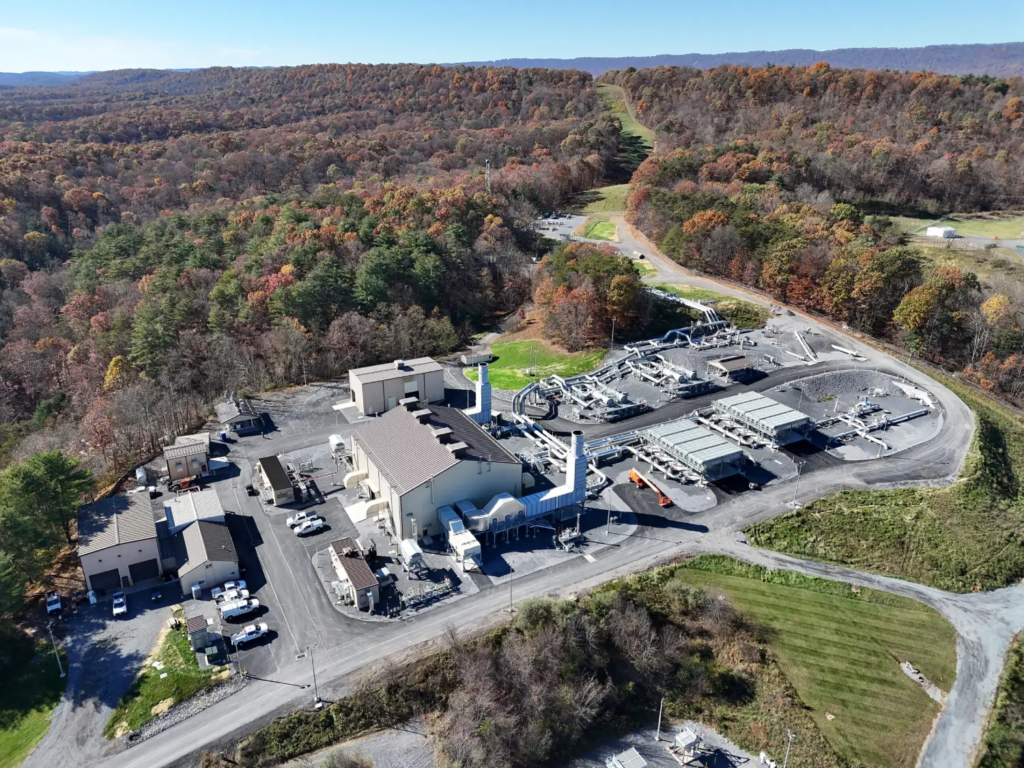
Effective consulting enables hiring qualified contractors and delivering thorough station assessments. It supports regulatory compliance and drives tangible improvements in performance and safety.
- Engage Experienced Contractors : Work with contractors who have proven compressor station experience to gain practical insights and solutions.
- Conduct Thorough Site Assessments : Regular assessments identify issues and improvement opportunities to keep operations smooth.
- Ensure Compliance with Regulations : Maintain current regulatory compliance to protect safety and operational standards.
Project Management Solutions
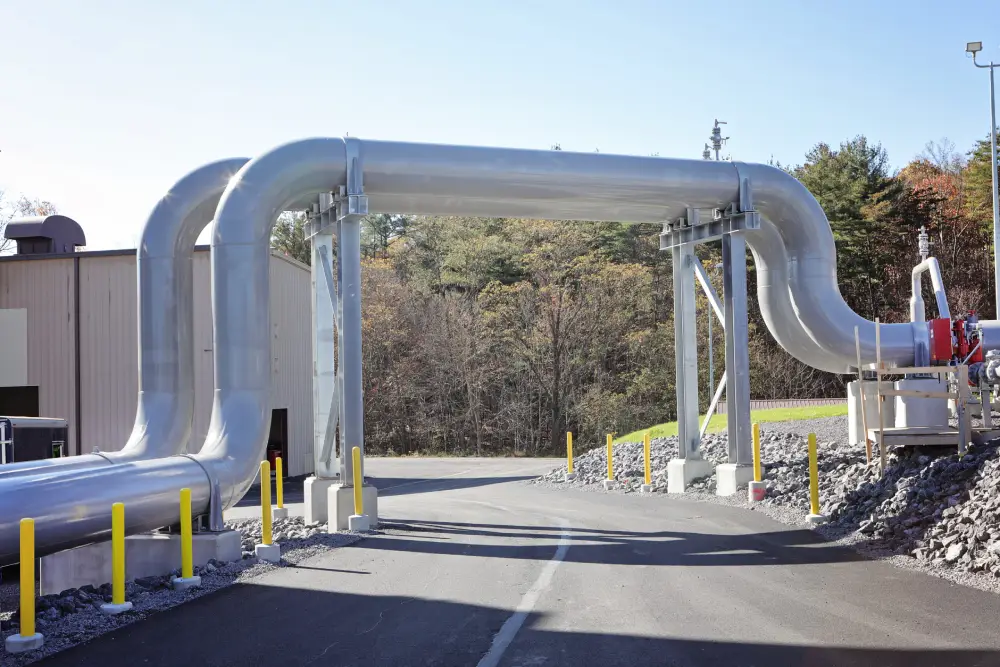
Project management provides the structure for successful installations and upgrades. Scheduling, resource control, and stakeholder coordination support on-time, cost-effective delivery.
- Implement Meticulous Planning : Clear project plans define objectives, timelines, and resources to reduce risk and delay.
- Foster Proactive Communication : Open communication among stakeholders keeps teams aligned throughout the project lifecycle.
- Utilize Advanced Project Management Tools : Technology can streamline processes, improving accountability and efficiency.
LMC Industrial Contractors, Inc. provides consulting and project management for the oil and gas sector, including assessments and strategic planning to optimise compressor station operations.
Best Practices for Optimizing Operations
Optimizing compressor station operations requires consistent application of safety-focused practices and process controls. These measures preserve performance, reduce risk, and ensure compliance.
- Focus on Safety Protocols : Prioritising safety protects personnel and equipment, reducing accidents and downtime.
- Integrate Advanced Technologies : Digital monitoring and automation improve oversight and enable predictive maintenance.
- Establish Routine Maintenance Schedules : Regular maintenance keeps equipment at peak efficiency and prevents breakdowns.
How Does Compressor Station Maintenance Enhance Operational Efficiency?
Compressor station maintenance is central to reliability. Scheduled work reduces unplanned downtime, extends equipment life, and lowers operating costs.
What Are Best Practices for Compressor Station Maintenance?
Best practices for compressor station maintenance include:
- Regular Inspections : Frequent checks catch issues early and support steady operations.
- Proper Lubrication : Correct lubrication reduces wear and improves longevity.
- Training for Personnel : Well-trained staff follow procedures that improve safety and efficiency.
How Does Regular Maintenance Reduce Downtime and Costs?
Regular maintenance reduces downtime and associated costs by:
- Preventing Unexpected Breakdowns : Proactive upkeep addresses faults before they cause failures.
- Enhancing Performance : Well-maintained equipment runs more efficiently.
- Extending Equipment Lifespan : Consistent care reduces replacement needs.
Optimising compressor stations delivers both cost reductions and increased throughput in addition to performance gains.
Compressor Station Optimization for Cost & Efficiency
Optimising compressor stations can target reductions in transportation or production cost by lowering expenditures per unit transported or processed, or by increasing the installation’s capacity. Cost components beyond initial establishment include fuel, maintenance, and lost production when units are unavailable. Each component depends on compressor or gas turbine efficiency as part of the integrated system rather than as isolated factors.
Optimization of compressor stations, 2019
What Benefits Do Gas Compressor Consulting Services Provide for Efficiency Optimization?
Gas compressor consulting services deliver clear benefits that support efficiency optimisation:
- Efficiency Measurement : Consultants assess current performance and identify improvement opportunities.
- Cost Savings : Operational optimisation reduces costs and improves margins.
- Regulatory Compliance : Experts help ensure operations meet regulatory requirements and reduce legal risk.
How Do Expert Consulting Services Improve Compressor Station Performance?
Expert consulting services improve compressor station performance through:
- Advanced Technology Integration : Recommending and implementing modern systems to boost efficiency.
- Regular Maintenance Emphasis : Promoting maintenance regimes that keep equipment optimal.
- Safety and Compliance Assurance : Supporting high safety standards and operational continuity.
Which Industry Standards and Safety Protocols Are Integrated in Consulting?
Consulting engagements incorporate recognised industry standards and safety protocols, including:
- Safety Audits : Regular audits verify safety compliance and highlight improvements.
- Employee Training : Ongoing programs maintain staff competence in procedures and safety.
- Regulatory Compliance : Consultants ensure adherence to local and national regulations.
How Does Oil and Gas Project Management Drive Reliable Compressor Station Solutions?
Effective project management delivers reliable compressor station solutions through detailed planning, risk management, and disciplined stakeholder communication.
- Meticulous Planning : Project plans define milestones and resources to keep work on schedule.
- Risk Management : Early risk identification enables mitigation before issues escalate.
- Effective Communication : Clear communication fosters collaboration and alignment.
What Project Management Strategies Ensure Timely and Cost-Effective Delivery?
To secure timely and cost-effective delivery, implement the following strategies:
- Skilled Labor and Training : Invest in skilled teams and ongoing training to improve execution and quality.
- Use of Advanced Technologies : Project management software streamlines workflows and tracking.
- Community Engagement : Involving local stakeholders can reduce resistance and support delivery.
How Is Safety and Quality Maintained Throughout Project Lifecycles?
Maintaining safety and quality requires documented protocols, continuous training, and robust quality-control procedures.
- Rigorous Safety Protocols : Strict measures protect workers and equipment.
- Continuous Training : Regular training keeps personnel current on standards.
- Quality Control Processes : Defined checks ensure consistent delivery quality.
Which Industrial Compressor Station Solutions Optimize Efficiency and Compliance?
The following industrial solutions support efficiency optimisation and regulatory compliance:
- Digital Monitoring Technologies : Systems that provide real-time data for better decisions.
- Key Metrics for Measuring Efficiency : Establish metrics to track performance and guide improvements.
- Cost Efficiency Strategies : Measures to reduce costs without compromising quality.
How Do Digital Monitoring Technologies Support Predictive Maintenance?
Digital monitoring enables predictive maintenance by supplying continuous operational data and early anomaly detection.
- Real-Time Data Collection : Continuous collection allows early identification of issues.
- Enhancing Operational Decision-Making : Real-time data supports informed maintenance and operational choices.
- Minimizing Downtime : Predictive maintenance reduces unexpected failures and interruptions.
Maintenance strategies are evolving toward proactive, predictive approaches enabled by advanced technologies.
Digital Twins for Compressor Station Predictive Maintenance
The implementation of a digital twin facilitates the transition to predictive maintenance and requires decision-makers to reassess operational strategies and processes.
Leveraging Digital Twins for Enhanced Maintenance and Operations in Compression Stations, 2024
What Are Key Metrics for Measuring Compressor Station Efficiency?
Key metrics for compressor station efficiency include volumetric efficiency, isentropic efficiency, and energy consumption.
- Volumetric Efficiency : This metric assesses the effectiveness of compressors in moving gas.
- Isentropic Efficiency : This measures the thermodynamic efficiency of the compression process.
- Energy Consumption : Monitoring energy usage highlights opportunities for cost savings.
Frequently Asked Questions
What are the common challenges faced by compressor stations in the oil and gas industry?
Common challenges include equipment failures, regulatory compliance requirements, and variable energy costs. Addressing these often requires specialist consulting, disciplined maintenance, and targeted technology adoption.
How can advanced technologies improve compressor station operations?
Technologies such as digital monitoring and automation provide continuous data and enable predictive analytics, allowing earlier interventions, reduced downtime, and streamlined workflows.
What role does employee training play in compressor station efficiency?
Employee training ensures correct maintenance and safe operation. Ongoing training keeps staff current with technologies and best practices, reducing incidents and improving reliability.
How do regulatory changes impact compressor station operations?
Regulatory changes alter procedures, equipment specifications, and environmental controls. Organisations must track developments and update training, equipment, and processes to remain compliant.
What are the benefits of conducting regular site assessments for compressor stations?
Regular assessments identify risks and inefficiencies early, verify compliance, and inform targeted maintenance and capital planning to improve reliability and reduce lifecycle costs.
How can community engagement benefit compressor station projects?
Community engagement builds local support, addresses concerns, and reduces objections during execution, contributing to smoother delivery and long-term stability.
What are the key performance indicators (KPIs) for evaluating compressor station efficiency?
KPIs include volumetric efficiency, isentropic efficiency, and energy consumption. Regular KPI monitoring supports data-driven optimisation decisions.
Conclusion
Maximising compressor station efficiency is achievable through expert consulting and disciplined project management. Implementing best practices and advanced technologies improves performance, reduces costs, and ensures regulatory compliance. Engaging experienced professionals produces measurable improvements in safety and efficiency and can transform station operations.
