
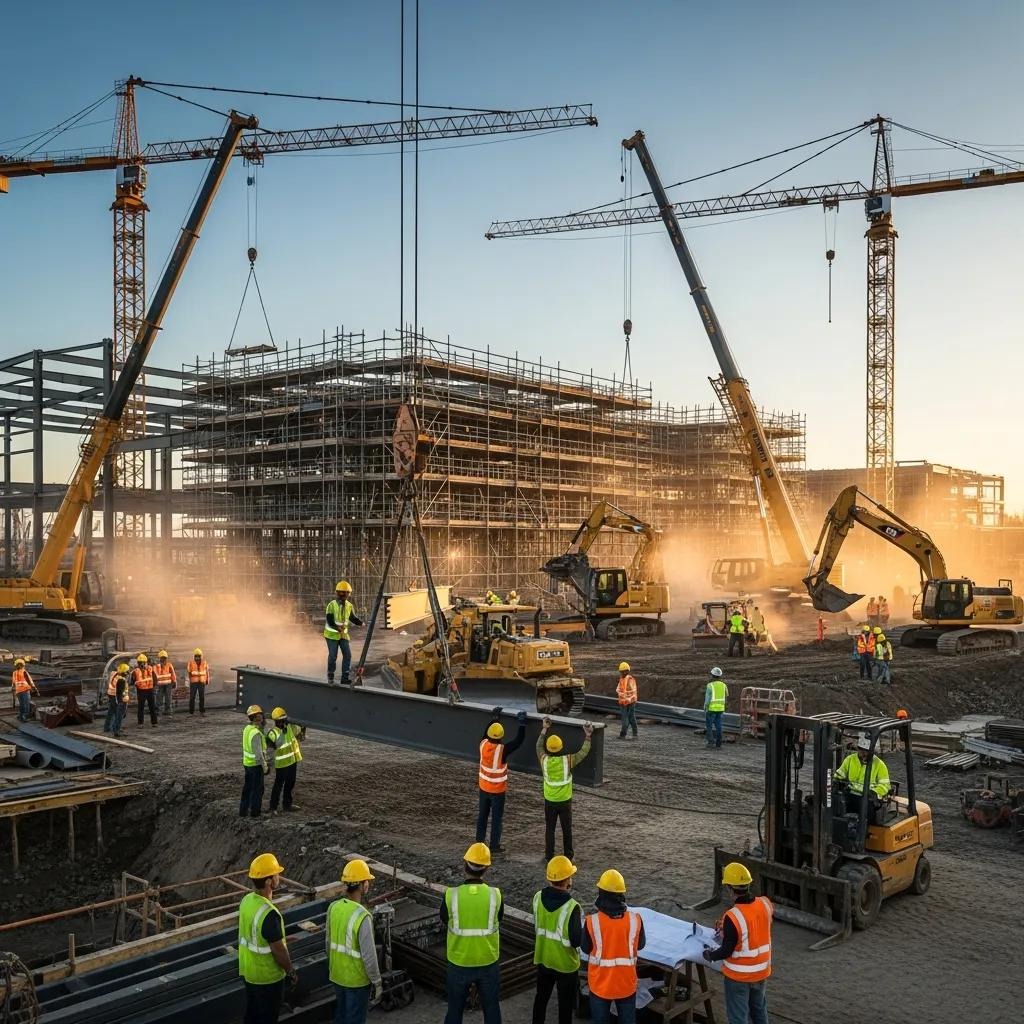
Industrial construction services are a cornerstone of modern infrastructure development, encompassing a broad spectrum of specialized activities essential for the successful completion of large-scale industrial projects. From initial site preparation to the final stages of structural fabrication and commissioning, these services ensure that industrial facilities are built to exacting standards, comply with stringent safety regulations, and meet client expectations for quality and efficiency. As a leading industrial construction contractor, companies like LMC Industrial Contractors Inc. provide expert guidance and comprehensive solutions tailored to the unique demands of industrial construction projects.
This article delves deeply into the multifaceted world of industrial construction services, highlighting the critical roles of project planning, civil construction contractors, and effective project management. We will explore the core services offered, the integration of advanced technologies, and the best practices that drive successful project outcomes. Additionally, a detailed FAQ section will address common client concerns, providing clarity on what to expect throughout the construction process. Whether you are a client seeking an industrial construction contractor or a stakeholder interested in the nuances of industrial site development, this comprehensive guide will equip you with valuable insights.
Understanding Industrial Construction Services
Industrial construction services refer to the specialized construction activities involved in building facilities such as manufacturing plants, warehouses, refineries, power plants, and other large-scale industrial infrastructures. These services require a high level of expertise, coordination, and adherence to industry standards to ensure safety, durability, and operational efficiency.
Key Components of Industrial Construction Services
Successful industrial construction projects rely on a combination of core services, each contributing to the overall project lifecycle. These include:
- Site Preparation: Clearing, grading, and preparing the land to create a stable foundation for construction activities.
- Structural Fabrication: Designing and assembling steel frameworks, concrete structures, and other essential components that form the backbone of industrial facilities.
- Mechanical and Electrical Systems Installation: Installing HVAC, plumbing, electrical wiring, and specialized mechanical systems critical for industrial operations.
- Civil Construction Services: Developing infrastructure such as roads, bridges, drainage systems, and utility networks that support the industrial site.
- Project Management: Coordinating all phases of construction, managing resources, timelines, budgets, and ensuring compliance with safety and quality standards.
Each of these components requires collaboration among various specialists, including civil construction contractors, mechanical engineers, and project managers, to deliver a cohesive and functional industrial facility.
The Role of an Industrial Construction Contractor
An industrial construction contractor serves as the primary entity responsible for overseeing and executing industrial construction projects. Their expertise spans multiple disciplines, enabling them to manage complex projects from conception through completion. Key responsibilities include: general construction services.
- Providing comprehensive construction services tailored to industrial needs.
- Ensuring compliance with local, state, and federal regulations.
- Coordinating subcontractors, suppliers, and stakeholders.
- Implementing safety protocols and quality assurance measures.
- Utilizing advanced construction technologies to enhance efficiency.
Choosing a reputable industrial construction contractor is critical for project success, as they bring the necessary experience, resources, and technical knowledge to navigate the challenges inherent in industrial construction.
Comprehensive Civil Construction Contractor Services
Civil construction contractors specialize in the development of the foundational infrastructure that supports industrial projects. Their expertise is vital for creating a functional and sustainable industrial site. Key civil construction services include:
- Earthworks and Site Grading: Preparing the terrain to ensure proper drainage and structural stability.
- Road and Bridge Construction: Building access roads, internal transportation networks, and bridges essential for site logistics.
- Stormwater and Drainage Systems: Designing and installing systems to manage water runoff and prevent flooding.
- Erosion and Sediment Control: Implementing measures to protect soil integrity during and after construction.
- Utility Infrastructure: Laying foundations for water, gas, electricity, and telecommunications services.
Engaging a skilled civil construction contractor ensures that the industrial site is equipped with robust infrastructure capable of supporting heavy machinery, transportation, and operational demands.
How Construction Project Planning Ensures Efficiency and Compliance
Effective project planning is the backbone of any successful industrial construction project. It involves meticulous preparation and strategic decision-making to optimize resources, manage risks, and ensure regulatory compliance. Key elements of construction project planning include:
Safety and Environmental Compliance
Adhering to safety regulations and environmental standards is non-negotiable in industrial construction. This involves conducting thorough risk assessments, implementing safety protocols, and ensuring environmental protection measures are in place to minimize the project’s ecological footprint.
Adherence to Industry Standards
Following established industry standards guarantees that construction materials, methods, and processes meet quality and safety benchmarks. This adherence reduces the likelihood of defects, delays, and costly rework.
Integration of Advanced Technologies
Technologies such as Building Information Modeling (BIM) and Integrated Project Delivery (IPD) have transformed industrial construction planning. BIM provides detailed 3D visualizations and data management, enhancing collaboration and reducing errors. IPD fosters a collaborative environment among all project stakeholders, improving efficiency and cost-effectiveness.
BIM & IPD for Construction Efficiency
Building information modeling (BIM), and integrated project delivery (IPD) are such approaches that promise to deliver efficiency, cost savings, and productivity increases to the commercial construction industry.
Building information modeling and integrated project delivery in the commercial construction industry: A conceptual study, 2012
Despite these advantages, the construction industry faces challenges in fully implementing BIM technology, including training gaps and resistance to change.
BIM Technology in Construction Management
Building Information Modeling (BIM) is the powerful set of technology to design, construction and management has been strengthen the construction industry. BIM has significant benefits for the project lifecycle even after it‘s lifecycle but this benefits can‘t gain by the project because of failure to successful implementation of BIM technology to the construction industry.
Barriers to implementation of building information modeling (BIM) to the construction industry: a review, S Ahmed, 2018
Core Services Provided by Industrial Construction Contractors
Industrial construction contractors offer a wide array of services designed to meet the complex needs of industrial projects. These services include but are not limited to: about us
Site Development and Preparation
Preparing the site involves land clearing, excavation, grading, and soil stabilization to create a safe and stable environment for construction.
Structural Engineering and Fabrication
Designing and fabricating steel structures, concrete foundations, and other critical components that form the industrial facility’s framework.
Mechanical, Electrical, and Plumbing (MEP) Installation
Installing essential systems such as HVAC, electrical wiring, plumbing, and fire protection to ensure operational functionality.
Civil Infrastructure Construction
Building roads, drainage systems, utility networks, and other infrastructure elements necessary for site accessibility and sustainability.
Project Management and Consulting
Providing expert oversight, scheduling, budgeting, risk management, and consulting services to optimize project delivery and client satisfaction.
Effective Management Practices for Industrial Construction Projects
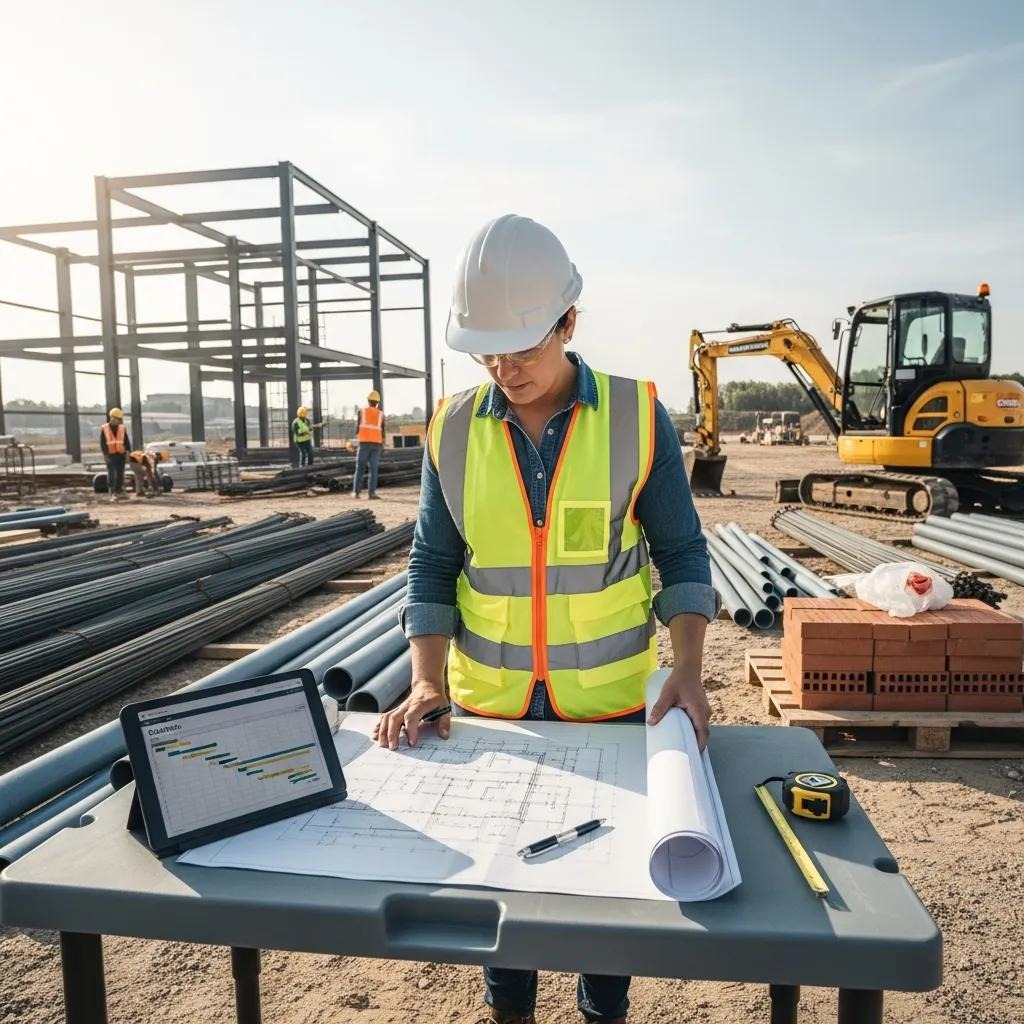
Managing industrial construction projects requires a strategic approach that balances technical execution with stakeholder communication and safety oversight. Best practices include: general construction services.
- Structured Project Management Methodologies: Employing frameworks such as Agile, Waterfall, or Lean Construction to streamline workflows and enhance adaptability.
- Clear and Consistent Communication: Establishing transparent communication channels among contractors, clients, suppliers, and regulatory bodies to promptly address issues and align expectations.
- Rigorous Safety Compliance: Conducting regular safety audits, providing ongoing training, and enforcing safety protocols to minimize workplace hazards.
These practices contribute significantly to project efficiency, risk reduction, and successful delivery.
| Management Practice | Description | Impact |
|---|---|---|
| Structured Project Management | Utilizes methodologies to streamline processes | High |
| Clear Communication | Establishes communication channels among stakeholders | High |
| Safety Compliance | Regular audits and training to maintain safety | Medium |
This table illustrates how different project management practices contribute to the overall success of industrial construction projects.
Key Phases of Industrial Project Management
Industrial project management is a structured process that guides projects from initial concept to final completion. The key phases include:
Planning Phase
Defining project objectives, scope, timelines, budgets, and resource allocation. Risk identification and mitigation strategies are also developed during this phase.
Execution Phase
Carrying out construction activities according to the project plan, coordinating subcontractors, and managing on-site operations.
Monitoring and Control Phase
Tracking project progress, quality control, budget adherence, and implementing corrective actions as necessary to keep the project on course.
Closing Phase
Final inspections, commissioning, handover to the client, and documentation of lessons learned for future projects.
Consulting Services: Enhancing Project Outcomes and Risk Mitigation
Engaging consulting services from experienced industrial construction contractors can significantly improve project outcomes. These services offer:
- Expert Project Management: Specialized knowledge to navigate complex industrial requirements and regulatory landscapes.
- Technological Integration: Recommendations and implementation of cutting-edge technologies to boost efficiency and reduce costs.
- Client-Centric Solutions: Tailored strategies that align with client goals, ensuring satisfaction and project success.
LMC Industrial Contractors Inc. provides consulting services focused on optimizing project management and construction processes, helping clients achieve superior results in their industrial construction projects.
Client Expectations During Industrial Construction Projects
Clients engaging with an industrial construction contractor should anticipate a comprehensive, transparent, and collaborative process characterized by: general construction services.
- Specialized Expertise: Access to professionals skilled in industrial construction services who understand the technical and regulatory complexities.
- Commitment to Safety and Quality: Strict adherence to safety protocols and quality assurance to deliver durable and compliant facilities.
- Timely and Cost-Effective Delivery: Efficient project management practices that ensure projects are completed on schedule and within budget.
- Regular Communication and Reporting: Ongoing updates and open communication channels to keep clients informed and engaged.
These expectations foster trust and collaboration, essential for the successful completion of industrial construction projects.
Maintaining Safety and Quality Throughout Construction
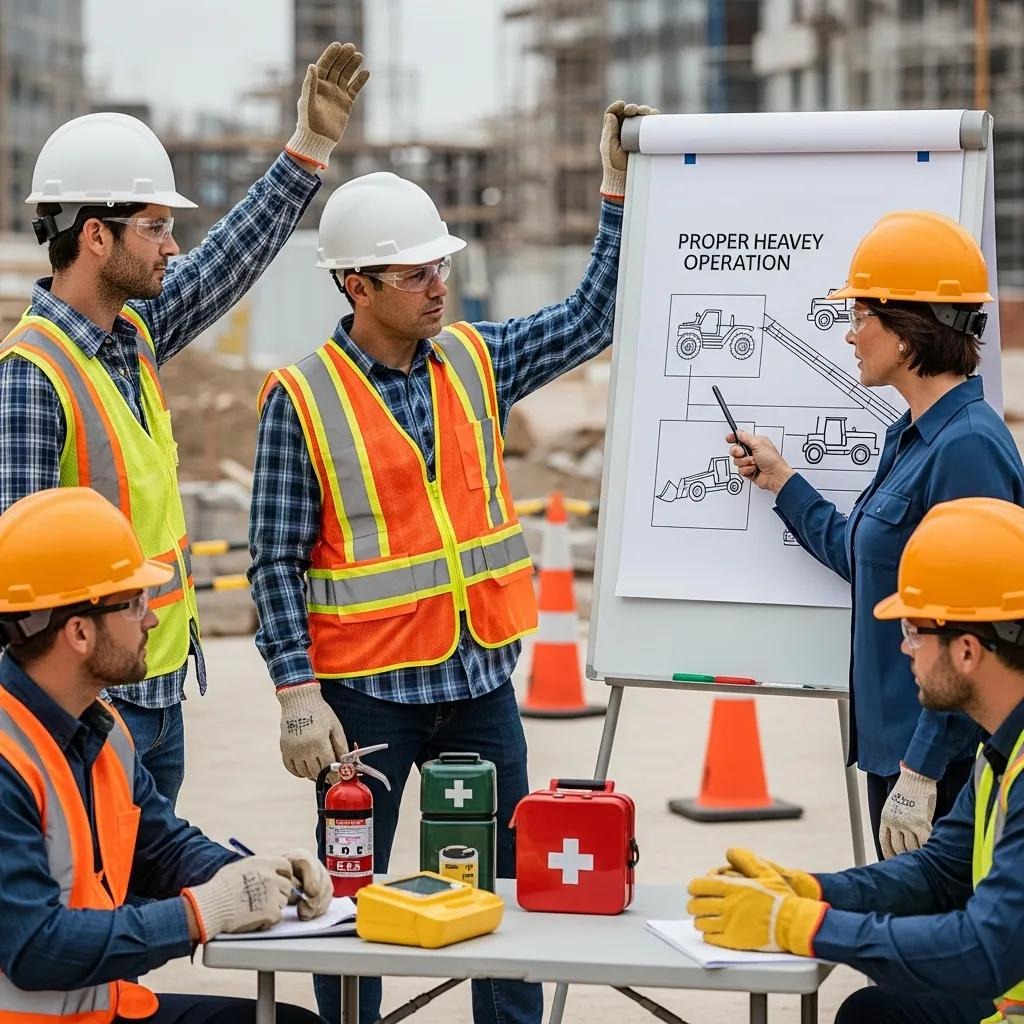
Safety and quality are paramount in industrial construction, where the risks and stakes are high. Key measures to maintain these standards include:
- Comprehensive Safety Training Programs: Regular, updated training sessions to cultivate a safety-first culture among all workers and supervisors.
- Frequent Safety Audits: Systematic inspections to identify hazards and enforce corrective actions promptly.
- Robust Quality Assurance Processes: Continuous monitoring and testing to ensure all construction work meets or exceeds industry standards and project specifications.
By prioritizing these measures, industrial construction contractors minimize accidents, reduce downtime, and deliver high-quality results.
Safety Training in Construction Industry
This study explores the CSFs in safety training sessions in the construction industry. To guide industry practitioners in terms of reviewing and revising their safety training programs.
Critical success factors for safety training in the construction industry, A Tezel, 2021
Typical Deliverables and Communication Protocols in Industrial Construction
Clear deliverables and effective communication are essential for aligning client and contractor expectations. Key elements include:
- High-Quality Construction Deliverables: Completed structures and systems that meet design specifications and client requirements.
- Regular Progress Reports: Scheduled updates detailing milestones, challenges, and upcoming activities.
- Responsive Client Support: Dedicated channels for client inquiries, feedback, and issue resolution.
These protocols ensure transparency, foster trust, and facilitate smooth project execution.
Advanced Technologies in Industrial Construction Services
The adoption of advanced technologies is revolutionizing industrial construction services, enabling contractors to deliver projects more efficiently and accurately. Notable technologies include:
- Building Information Modeling (BIM): Enhances design accuracy, clash detection, and project visualization.
- Drones and Aerial Imaging: Provide real-time site monitoring and progress tracking.
- Prefabrication and Modular Construction: Accelerate construction timelines and improve quality control.
- Construction Management Software: Streamlines scheduling, budgeting, and communication.
Industrial construction contractors leveraging these technologies gain competitive advantages and deliver superior project outcomes.
Environmental Sustainability in Industrial Construction
Modern industrial construction services increasingly emphasize sustainability to minimize environmental impact. Strategies include:
- Utilizing eco-friendly materials and construction methods.
- Implementing energy-efficient designs and systems.
- Managing waste through recycling and responsible disposal.
- Incorporating green infrastructure such as permeable pavements and stormwater management systems.
These practices not only comply with environmental regulations but also contribute to long-term operational savings and corporate responsibility.
Comprehensive FAQ: Industrial Construction Services
What are industrial construction services?
Industrial construction services encompass the planning, design, and building of industrial facilities such as factories, warehouses, and power plants. These services include site preparation, structural fabrication, mechanical and electrical installations, civil infrastructure development, and project management.
Why is it important to hire a specialized industrial construction contractor?
Specialized industrial construction contractors possess the expertise, experience, and resources necessary to handle the complexities of industrial projects. They ensure compliance with safety and industry standards, manage diverse subcontractors, and deliver projects efficiently and within budget.
What does a civil construction contractor do in industrial projects?
A civil construction contractor focuses on building the foundational infrastructure required for industrial sites, including roads, bridges, drainage systems, and utility networks. Their work ensures the site is accessible, stable, and sustainable.
How does project planning improve industrial construction outcomes?
Project planning helps identify risks, allocate resources effectively, set realistic timelines, and ensure compliance with regulations. It facilitates coordination among stakeholders and integrates advanced technologies to enhance efficiency and reduce errors.
What safety measures are typically implemented during industrial construction?
Safety measures include comprehensive training programs, regular safety audits, use of personal protective equipment (PPE), hazard identification and mitigation, and strict adherence to safety protocols and regulations.
How do industrial construction contractors ensure quality?
Quality is ensured through rigorous quality assurance and control processes, including material testing, inspections, adherence to design specifications, and continuous monitoring throughout the construction lifecycle.
What technologies are transforming industrial construction services?
Technologies such as Building Information Modeling (BIM), drones, prefabrication, modular construction, and construction management software are enhancing design accuracy, site monitoring, construction speed, and project coordination.
How can consulting services benefit industrial construction projects?
Consulting services provide expert advice on project management, technology integration, risk mitigation, and regulatory compliance, helping clients optimize project outcomes and reduce costs.
What should clients expect during an industrial construction project?
Clients should expect expert guidance, transparent communication, strict safety and quality standards, timely progress updates, and delivery of a facility that meets their operational needs and regulatory requirements.
How do industrial construction contractors address environmental concerns?
Contractors implement sustainable construction practices, use eco-friendly materials, manage waste responsibly, and design energy-efficient systems to minimize environmental impact and comply with regulations.
Conclusion: Partnering with Expert Industrial Construction Contractors for Success
Industrial construction services are integral to building the infrastructure that powers modern industry. The complexity and scale of these projects demand the expertise of seasoned industrial construction contractors and civil construction contractors who can deliver comprehensive solutions from site preparation to project completion. By leveraging advanced technologies, adhering to rigorous safety and quality standards, and employing effective project management practices, these contractors ensure that industrial facilities are constructed efficiently, safely, and sustainably.
Clients engaging with professional industrial construction contractors can expect transparent communication, expert consulting, and a commitment to delivering projects on time and within budget. As the industrial sector continues to evolve, partnering with knowledgeable contractors like LMC Industrial Contractors Inc. becomes essential for navigating challenges and achieving successful project outcomes.
Ready to Start Your Industrial Construction Project?
Partner with LMC Industrial Contractors Inc., a trusted industrial construction contractor with proven expertise in delivering comprehensive industrial and civil construction services. Whether you are planning a new facility or upgrading existing infrastructure, our team is here to provide expert guidance, innovative solutions, and dedicated support every step of the way. Contact LMC Industrial Contractors Inc. Today
