
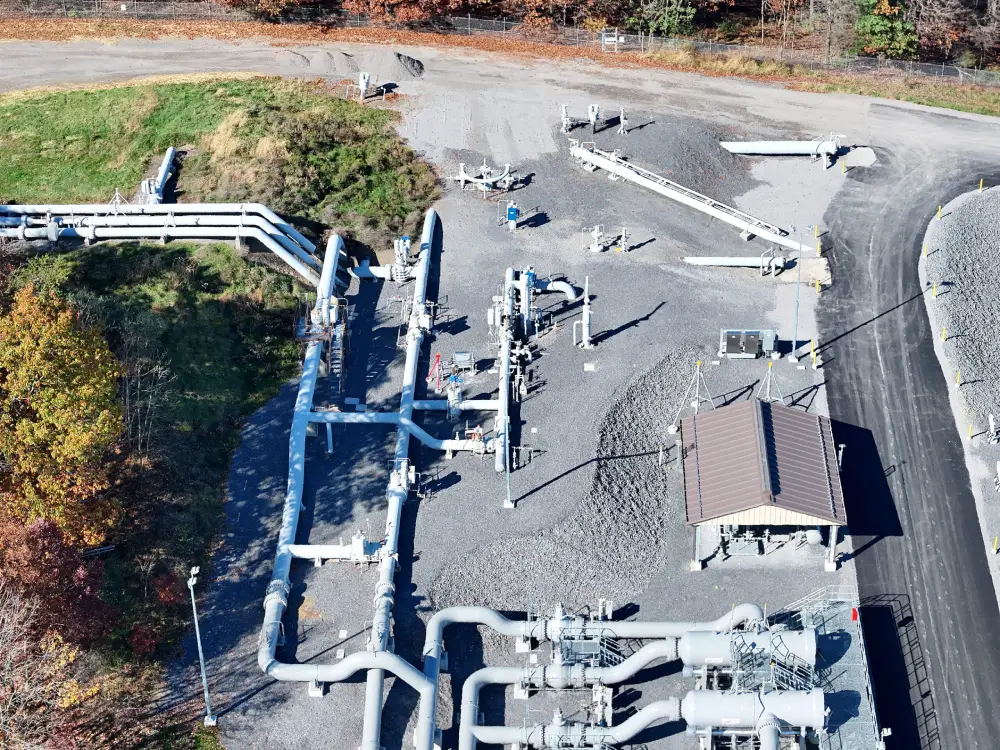
Compressor stations are fundamental to natural gas transport and processing. A rigorous understanding of applicable safety regulations helps operators achieve compliance and mitigate operational risk effectively. This comprehensive guide examines the principal regulatory requirements, hazard management practices, and project management approaches that underpin effective safety performance at compressor stations. It covers federal and state standards, their application and guidance, and the implications of recent regulatory updates for operational practice in the oil and gas industry.
What Are the Key Regulatory Requirements for Compressor Station Safety?
Compressor station safety is governed by a layered framework of federal and state regulations designed to protect personnel, assets, and the environment. Compliance is both a legal obligation and a core element of operational risk management. Primary regulatory authorities include the Occupational Safety and Health Administration (OSHA) and the American Petroleum Institute (API), which issue standards operators must implement and maintain to ensure safe and reliable operations.
Which Federal and State Safety Standards Govern Compressor Stations?
Federal requirements enforced by OSHA establish mandatory practices for equipment maintenance, workforce training, and emergency response. State regulations may impose additional measures reflecting local hazards and environmental conditions. Operators must integrate federal and state obligations to ensure comprehensive compliance across all compressor station activities, minimizing risks and enhancing safety culture.
How Do OSHA and API Standards Apply to Compressor Station Compliance?
OSHA provides the regulatory framework for workplace safety, including hazard communication, personal protective equipment (PPE), and mandatory training programs. The API issues technical, industry‑specific standards that address compressor‑station design, operation, and maintenance best practices. Conforming to both OSHA and API standards is essential to maintain a safe workplace, reduce regulatory exposure, and promote operational excellence.
How Is Hazard Management Implemented in Compressor Station Safety Programs?
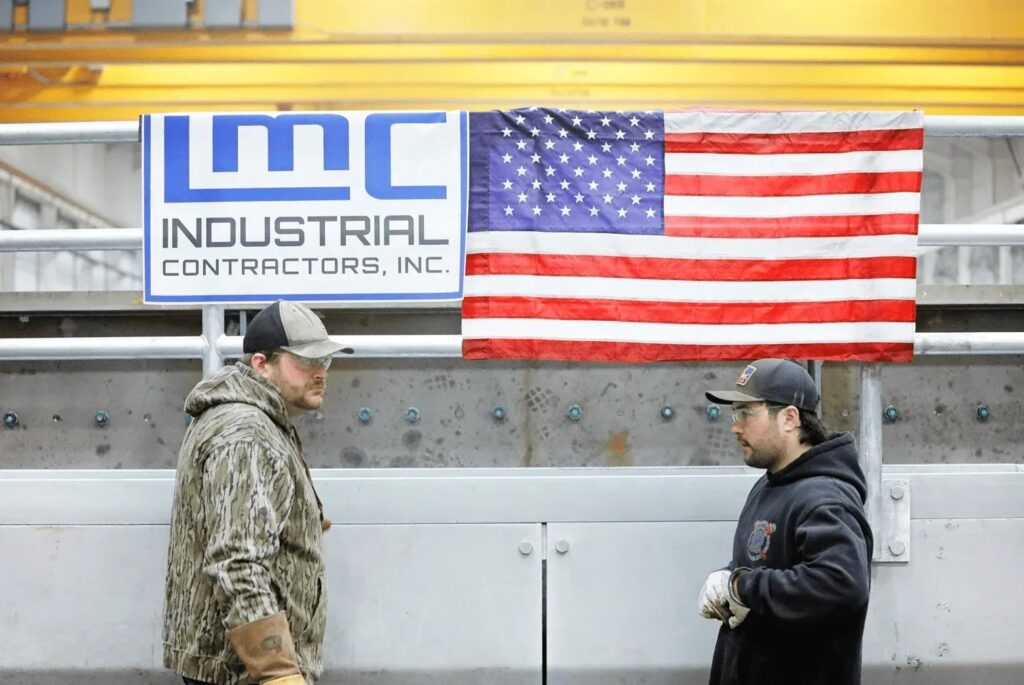
Proactive hazard management is central to compressor station safety programs. It requires systematic identification of hazards, implementation of engineering and administrative controls, and continuous monitoring and evaluation of safety measures. Regular risk assessments and targeted personnel training are key elements of an effective hazard‑management regime that reduces incidents and enhances operational reliability.
What Risk Assessment Methodologies Are Essential for Hazard Identification?
Structured risk‑assessment techniques, such as the Hazard and Operability Study (HAZOP) and Failure Mode and Effects Analysis (FMEA), are essential for identifying process hazards and failure modes. These methodologies enable operators to prioritise risks and implement calibrated mitigation measures that reduce both the likelihood and consequence of incidents, ensuring safer compressor station operations.
How Are Safety Audits and Emergency Procedures Integrated into Hazard Management?
Safety audits are integral to compliance verification and continuous improvement. Regular audits confirm that emergency procedures are current, effective, and compliant with regulatory requirements. They also identify corrective actions where gaps exist. Operators should apply audit findings to update procedures, training, and controls to maintain a consistently high safety standard and readiness for emergencies.
What Project Management Solutions Support Effective Safety Regulation Compliance?
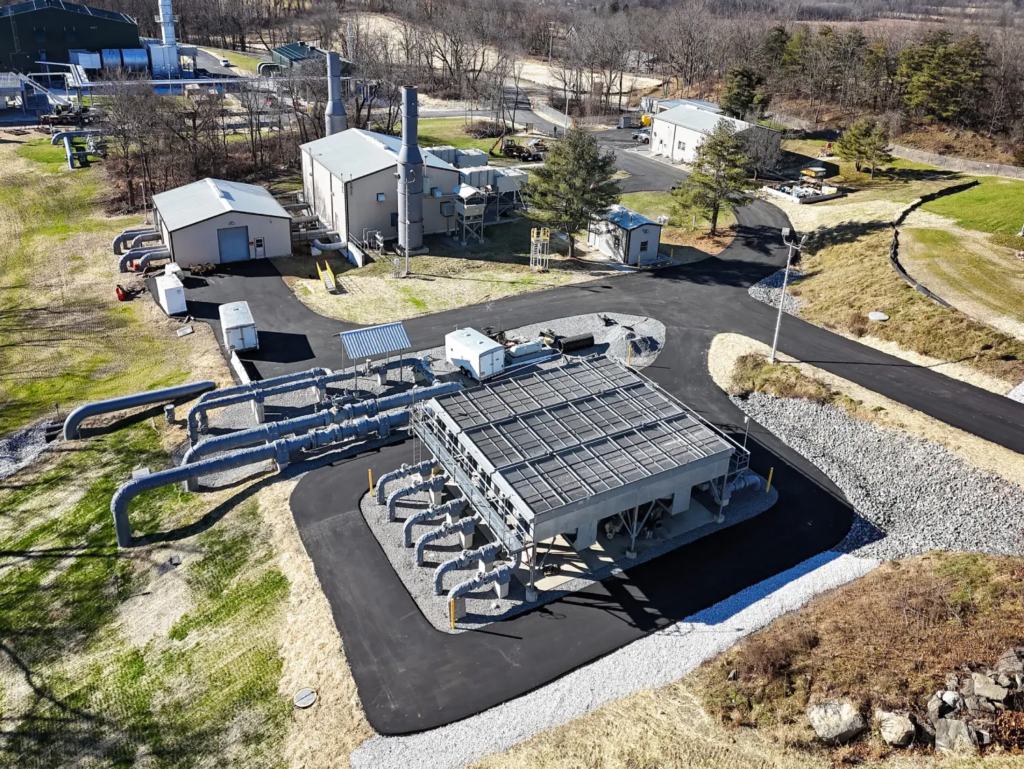
Project management solutions provide structured processes for developing and implementing comprehensive safety programmes. These solutions align schedules, resources, and documentation to meet regulatory obligations efficiently and support sustained compliance across project lifecycles, from planning through execution and review.
How Does Project Management Facilitate Safety Program Development and Implementation?
Effective project management coordinates safety assessments, training development, and compliance recordkeeping. Robust governance improves stakeholder communication and ensures safety initiatives are delivered on schedule, to specification, and with auditable documentation. This structured approach enhances accountability and operational safety outcomes.
What Are Best Practices for Coordinating Safety Audits and Training in Industrial Settings?
Best practices for coordinating audits and training include establishing clear communication protocols, scheduling recurring training cycles, and incorporating audit feedback into training curricula. This integrated approach reinforces emergency readiness, embeds compliance within operational routines, and fosters a culture of continuous safety improvement.
How Do Recent Regulatory Updates Impact Compressor Station Safety Practices?
Maintaining awareness of regulatory updates is necessary for continued compliance and operational excellence. Changes to regulations can require adjustments to procedures, training, and operational controls; timely review and implementation preserve operational integrity and regulatory alignment, reducing the risk of violations and incidents.
What Are the 2026 Changes in Compressor Station Safety Regulations?
As of 2026, new regulations are expected to strengthen safety standards for compressor stations, emphasising enhanced risk‑management frameworks and tighter compliance requirements. Operators should familiarise themselves with these changes, conduct gap analyses, and assess their safety programs to ensure alignment with current regulatory expectations and industry best practices.
How Can Operators Ensure Ongoing Compliance Amid Evolving Safety Standards?
Operators should adopt proactive measures such as scheduled training updates, continuous monitoring of regulatory developments, and active participation in industry forums and professional associations. These practices cultivate a culture of safety, enable timely adaptation to evolving standards, and support sustainable compliance management.
For authoritative guidance on safety and compliance, LMC Industrial Contractors provides comprehensive solutions tailored to the oil and gas sector.
Frequently Asked Questions
What types of training are required for employees at compressor stations?
Personnel must complete training in hazard recognition, emergency response procedures, and the correct selection and use of personal protective equipment (PPE). Operators should provide recurrent training to address regulatory changes and lessons learned from incidents and audits. Regular drills and simulations verify competency and preparedness for operational emergencies, ensuring workforce readiness.
How can technology improve safety compliance in compressor stations?
Technology enhances compliance through continuous equipment monitoring, real‑time anomaly detection, and condition‑based maintenance that reduce the likelihood of failure. Digital systems centralise documentation and training records, simplifying audit readiness. Advanced data analytics enable trend identification and targeted interventions to improve overall safety performance and operational efficiency.
What role do safety committees play in compressor station operations?
Safety committees provide governance and cross‑functional oversight of safety activities. Composed of representatives from affected disciplines, they identify hazards, develop policies, and oversee training initiatives. Regular meetings and structured feedback mechanisms ensure employee engagement, promote safety awareness, and support continuous improvement in safety culture.
How often should safety audits be conducted at compressor stations?
Audit frequency should be determined by regulatory requirements and operational risk; many organisations adopt quarterly or semiannual schedules. Additional audits are advisable following significant operational changes, such as new equipment installations or regulatory updates. A risk‑based audit cadence supports sustained compliance, performance improvement, and early detection of potential safety issues.
What are the consequences of non-compliance with safety regulations?
Non‑compliance exposes operators to substantial fines, legal liability, and increased regulatory oversight. It also elevates the risk of workplace incidents, equipment damage, and extended downtime. Beyond financial impact, regulatory failures harm reputation, impede talent retention, and compromise operational resilience. Maintaining compliance is therefore critical to long-term business success and safety.
How can operators stay updated on changes in safety regulations?
Operators should subscribe to industry bulletins, attend conferences, and participate in professional organisations focused on oil and gas safety. Engaging with regulatory agencies and subject‑matter experts, and implementing a formal monitoring system for regulatory updates, ensures timely adaptation of safety practices and sustained compliance.
Conclusion
Adherence to compressor station safety regulations is fundamental to regulatory compliance and the protection of personnel, assets, and the environment. Implementing structured hazard‑management strategies and employing project management controls reduces risk and enhances operational reliability. Ongoing monitoring of regulatory developments enables timely updates to procedures and training, ensuring continuous improvement. For comprehensive safety solutions and expert guidance, explore our resources and partner with industry leaders committed to excellence in compressor station safety.
