
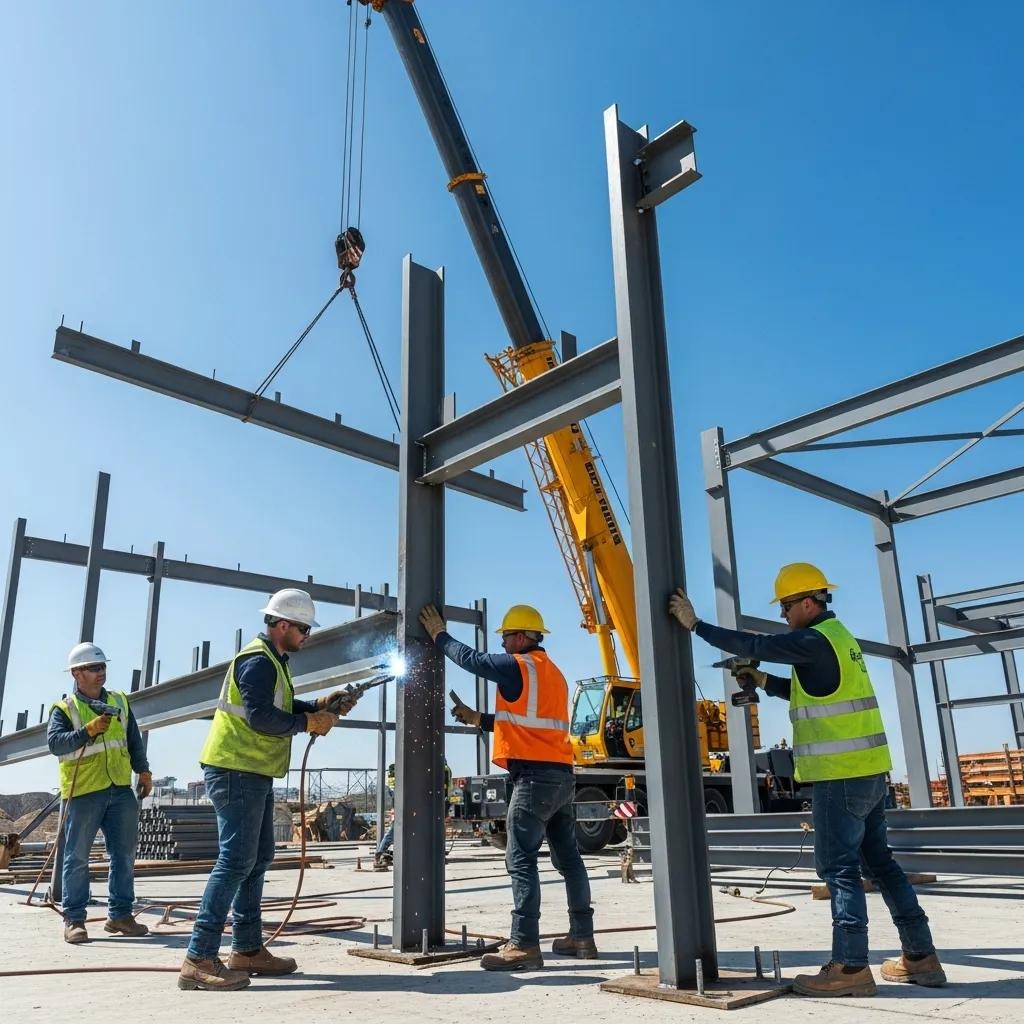
Structural steel erection is a critical component of industrial construction, involving the assembly of steel frameworks that support buildings and other structures. This process not only requires precision and expertise but also adherence to stringent safety standards to ensure the well-being of workers and the integrity of the structure. In this article, we will explore the key steps involved in the structural steel erection process, the safety standards that govern it, and how to effectively evaluate contractors for such projects. By understanding these elements, stakeholders can ensure that their industrial facilities are built efficiently and safely.
The article will cover the following main sections: the steps in the steel erection process, the preparation and delivery of structural steel, the sequential phases of erection on-site, safety standards, OSHA and AISC regulations, implementation of safety protocols, and guidelines for selecting a qualified contractor. Each section will provide insights into best practices and considerations that are essential for successful industrial construction projects.
What Are the Key Steps in the Industrial Steel Erection Process?
The industrial steel erection process involves several key steps that ensure the successful assembly of steel structures. Initially, the fabrication of steel components takes place in a controlled environment, where precision cutting, welding, and assembly occur. Following fabrication, these components are delivered to the construction site, where they are prepared for installation.
The installation is carried out by certified professionals who follow strict guidelines to ensure safety and accuracy. This systematic approach not only enhances the structural integrity of the building but also minimizes the risk of errors during the erection phase. Understanding these steps is crucial for anyone involved in industrial construction, as it lays the foundation for a successful project.
How Is Structural Steel Prepared and Delivered for Erection?
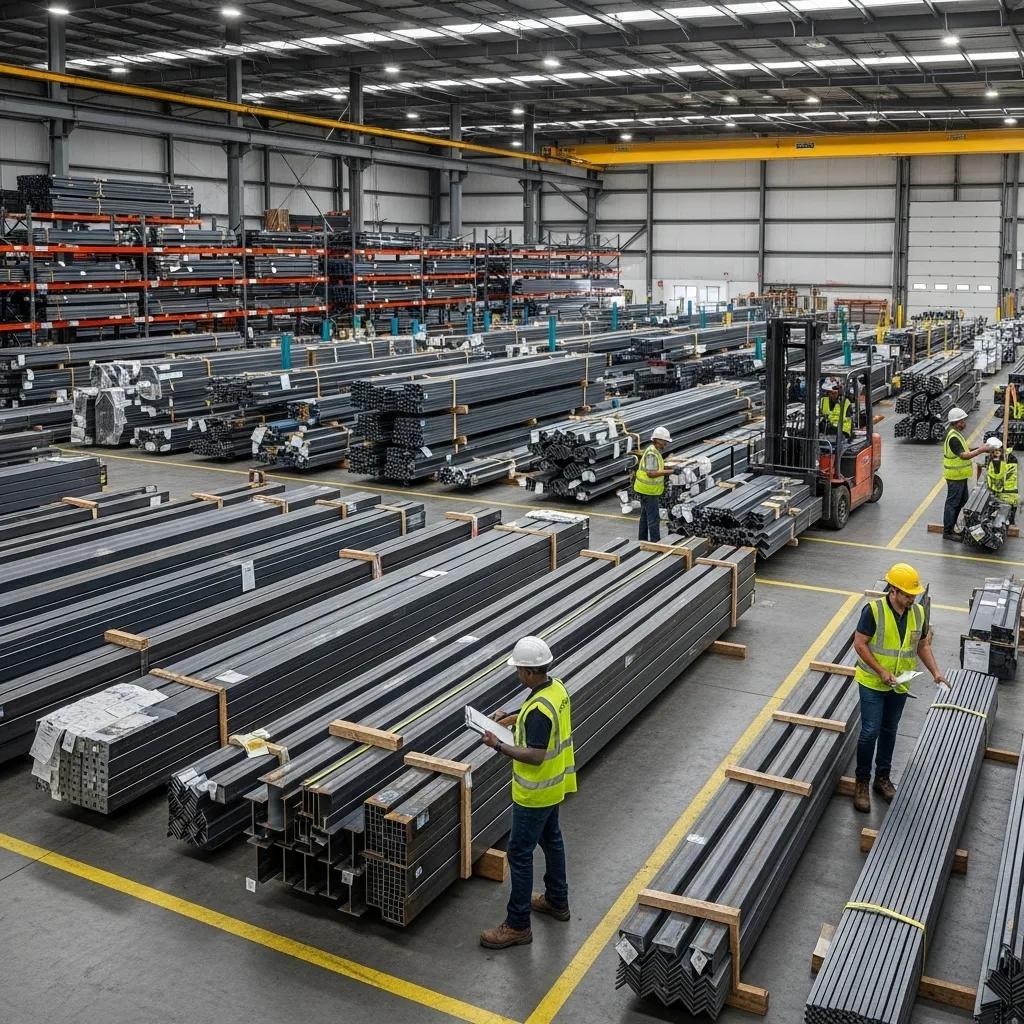
The preparation and delivery of structural steel are vital to the overall success of the erection process. The fabrication process involves meticulous planning and execution, ensuring that each steel component meets the required specifications and quality standards. Quality control measures are implemented throughout the fabrication phase to guarantee that the materials are free from defects and suitable for use.
Once the steel components are fabricated, they undergo final assembly and are then delivered to the construction site. This delivery process must be carefully coordinated to align with the project timeline, ensuring that the components arrive on-site when needed. Effective communication between the fabrication team and the construction site is essential to avoid delays and ensure a smooth erection process.
What Are the Sequential Phases of Steel Erection on Site?
The sequential phases of steel erection on-site are critical for maintaining safety and efficiency. The process begins with site preparation, which includes clearing the area and setting up necessary equipment. Following this, the erection of steel components takes place, where each piece is carefully lifted and positioned according to the structural plans.
Final inspections are conducted to ensure that all components are securely fastened and meet safety standards. This phase is crucial, as it verifies that the structure is stable and ready for subsequent construction activities. Understanding these phases helps project managers and contractors maintain a clear timeline and ensure that safety protocols are followed throughout the erection process.
Which Safety Standards Govern Steel Erection in Industrial Construction?
Safety standards play a pivotal role in the steel erection process, ensuring that all activities are conducted in a safe manner. The Occupational Safety and Health Administration () sets forth regulations that govern various aspects of construction safety, including fall protection, equipment safety, and worker training.
Indeed, the inherent dangers of this work necessitate rigorous safety measures, as highlighted by research into the high-risk nature of steel erection.
Steel Erection Risk Analysis & Safety Management
Introduction:Steel erection is known as one of the most hazardous construction activities. From an occupational health and safety perspective, this process carries high risk. Therefore, this study aims to conduct a qualitative risk analysis of steel structure assembly and model it using the Functional Resonance Analysis Method (FRAM).
Risk analysis of the steel erection process using the Functional Resonance Analysis Method, 2024
Additionally, industry best practices are established to complement OSHA regulations, providing guidelines for safe operations on construction sites. Regular safety audits are conducted to assess compliance with these standards, ensuring that all workers are protected from potential hazards. Adhering to these safety standards is not only a legal requirement but also a moral obligation to safeguard the health and well-being of all personnel involved in the project.
What OSHA and AISC Regulations Must Be Followed?
Compliance with and regulations is essential for any steel erection project. OSHA regulations outline the necessary safety measures that must be implemented to protect workers, including the use of personal protective equipment (), proper training, and safety protocols for equipment operation.
regulations provide additional guidelines specific to the steel construction industry, focusing on quality assurance and structural integrity. These regulations ensure that all steel components are fabricated and erected according to established standards, minimizing the risk of structural failures. Understanding and adhering to these regulations is crucial for contractors and project managers to maintain a safe and compliant work environment.
How Are Safety Protocols Implemented During Erection?
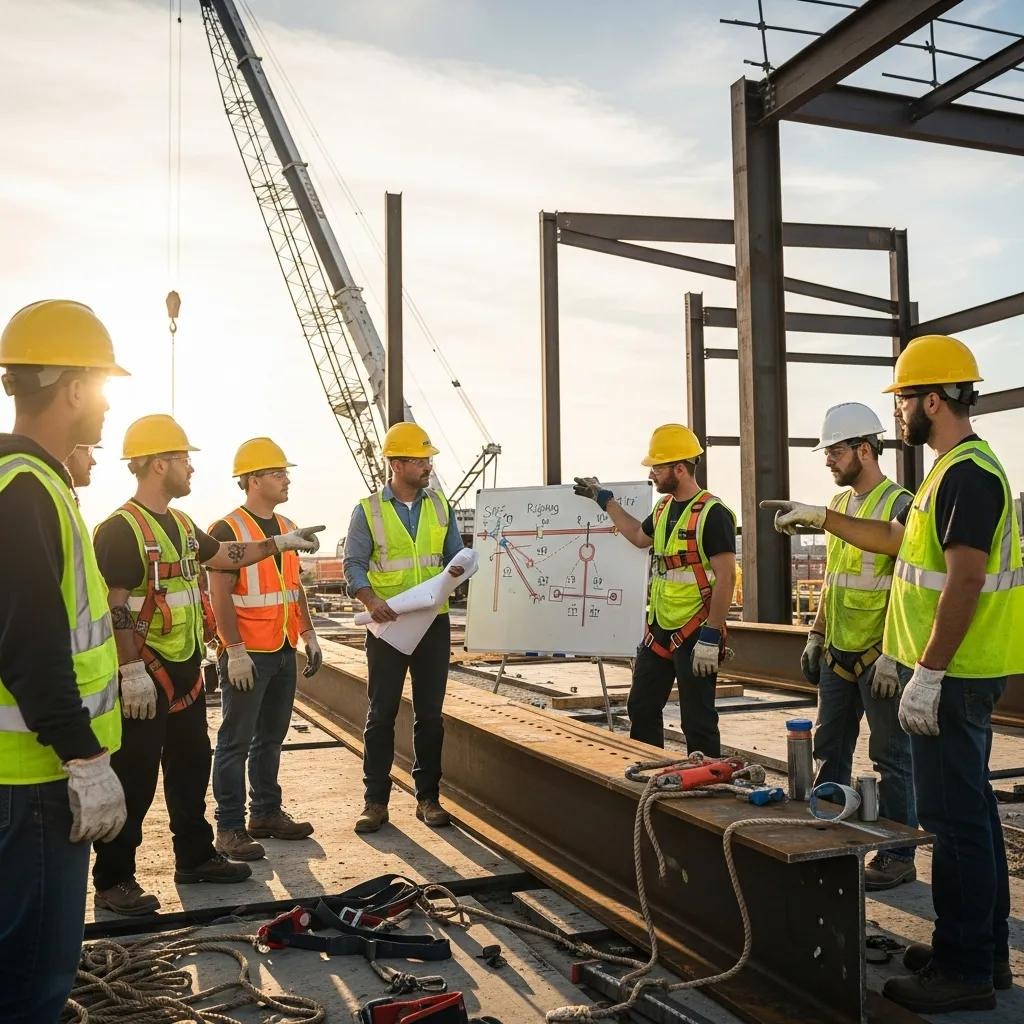
Implementing safety protocols during the erection process is vital for preventing accidents and ensuring worker safety. Regular training sessions are conducted to educate workers on the importance of safety measures and the proper use of equipment. Job hazard analysis is performed to identify potential risks associated with specific tasks, allowing for proactive measures to be taken. safety measures
The use of , such as helmets, harnesses, and safety glasses, is mandatory to protect workers from injuries. By fostering a culture of safety and ensuring that all personnel are aware of the protocols in place, construction companies can significantly reduce the likelihood of accidents on-site.
How to Vet and Select a Qualified Structural Steel Contractor?
Selecting a qualified structural steel contractor is a critical decision that can impact the success of a construction project. When vetting potential contractors, it is essential to evaluate their experience in the industry, ensuring they have a proven track record of successful projects. Checking certifications is also crucial, as it demonstrates the contractor’s commitment to adhering to industry standards and regulations.
Evaluating potential contractors involves a thorough risk assessment, which is crucial for making informed decisions in complex civil engineering projects.
Steel Fabricator & Erector Risk Evaluation
Risk assessment is an important aspect of making informed decisions for civil engineering projects. Managers and engineers in charge of projects must often make critical decisions under lack of access to perfect information and many uncertainties. More specifically, steel fabricators and erectors are faced with various decisions during the initial stages of a project.
A contribution to risk evaluation of fabricator/erector during production and installation of steel structures, 2005
Reading customer reviews and testimonials can provide valuable insights into the contractor’s reliability and quality of work. By conducting thorough research and asking the right questions, project managers can make informed decisions when selecting a contractor for their steel erection needs.
What Contractor Qualifications and Certifications Are Essential?
When evaluating contractors for structural steel erection, certain qualifications and certifications are essential. Relevant certifications, such as those from safety, indicate that the contractor is knowledgeable about safety regulations and practices. Additionally, experience in the field is crucial, as it ensures that the contractor is familiar with the complexities of steel erection.
Safety training certifications are also important, as they demonstrate the contractor’s commitment to maintaining a safe work environment. By prioritizing these qualifications, project managers can ensure that they are hiring a competent and reliable contractor for their project.
Which Questions Should You Ask to Assess Contractor Reliability?
- What is your track record of completed projects?: Understanding the contractor’s history can provide insights into their reliability and quality of work.
- What safety certifications do you hold?: This question helps gauge the contractor’s commitment to safety and compliance with regulations.
- Do you have experience in our specific industry?: Industry-specific experience can be crucial for understanding unique project requirements and challenges.
By asking these questions, project managers can gain a clearer picture of the contractor’s capabilities and reliability.
What Project Management Best Practices Ensure Quality and Efficiency?
Implementing project management best practices is essential for ensuring quality and efficiency in steel erection projects. A structured approach to project planning helps define clear objectives and timelines, allowing for better resource allocation and task management. Regular communication among team members is vital for addressing any issues that may arise during the project.
Quality control measures should be integrated into every phase of the project, from fabrication to final inspections. By establishing a culture of accountability and continuous improvement, project managers can enhance the overall quality of the construction process.
How Is Risk Mitigation Integrated into Steel Erection Projects?
Risk mitigation strategies are crucial for minimizing potential issues during steel erection projects. Safety protocols, such as regular training and job hazard analysis, help identify and address risks before they escalate. Conducting regular audits ensures compliance with safety standards and identifies areas for improvement.
Additionally, contingency plans should be developed to address unforeseen circumstances, such as adverse weather conditions or equipment failures. By proactively managing risks, project managers can ensure a smoother and safer erection process.
What Quality Control and Inspection Procedures Are Recommended?
Quality control and inspection procedures are essential for maintaining the integrity of steel structures. Staged inspections should be conducted throughout the erection process to verify that each component meets the required specifications. Material verification is also crucial, ensuring that all steel used in the project is of high quality and free from defects.
Documentation of compliance with safety and quality standards is necessary for accountability and future reference. By implementing these procedures, construction teams can ensure that the final structure is safe, reliable, and built to last.
| Quality Control Measure | Description | Importance |
|---|---|---|
| Staged Inspections | Regular checks during erection | Ensures compliance with standards |
| Material Verification | Checks quality of steel components | Prevents structural failures |
| Documentation | Records of compliance and inspections | Provides accountability |
This table highlights the importance of quality control measures in ensuring the safety and reliability of steel structures. By adhering to these procedures, construction teams can significantly reduce the risk of issues arising during and after the erection process.
For more information on how LMC Industrial Contractors can assist with your next project, contact us today.
Frequently Asked Questions
What are the common challenges faced during structural steel erection?
Common challenges in structural steel erection include logistical issues, such as coordinating the delivery of steel components to the site on time. Weather conditions can also pose significant challenges, affecting safety and scheduling. Additionally, ensuring that all workers are adequately trained and equipped to handle the materials safely is crucial. Miscommunication among team members can lead to errors in assembly, which may compromise the structural integrity of the project. Addressing these challenges proactively is essential for a successful erection process.
How does weather impact the steel erection process?
Weather can significantly impact the steel erection process, as adverse conditions such as high winds, rain, or snow can hinder operations. High winds, in particular, pose safety risks when lifting and positioning steel components. Rain and snow can create slippery surfaces, increasing the risk of accidents. To mitigate these effects, project managers often monitor weather forecasts closely and may adjust schedules or implement additional safety measures to ensure worker safety and project continuity during inclement weather.
What role does technology play in modern steel erection?
Technology plays a vital role in modern steel erection by enhancing precision and efficiency. Advanced software tools for project management and design allow for better planning and coordination among teams. Building Information Modeling (BIM) helps visualize the project, enabling stakeholders to identify potential issues before they arise. Additionally, drones and other surveying technologies can be used for site inspections, ensuring that all components are correctly positioned and aligned. These technological advancements contribute to improved safety and reduced construction timelines.
What are the environmental considerations in steel erection projects?
Environmental considerations in steel erection projects include minimizing waste and ensuring sustainable practices. Contractors are encouraged to recycle scrap steel and use eco-friendly materials whenever possible. Additionally, managing noise and dust pollution during construction is essential to comply with local regulations and maintain community relations. Implementing energy-efficient practices, such as using electric machinery, can also reduce the project’s carbon footprint. By prioritizing these environmental factors, construction teams can contribute to more sustainable industrial practices.
How can project managers ensure effective communication among teams?
Effective communication among teams is crucial for the success of steel erection projects. Project managers can facilitate this by establishing clear communication protocols and utilizing collaborative tools, such as project management software and messaging apps. Regular meetings should be scheduled to discuss progress, address concerns, and ensure everyone is aligned with project goals. Encouraging an open-door policy where team members feel comfortable sharing ideas and feedback can also enhance communication and foster a collaborative work environment.
What are the benefits of using prefabricated steel components?
Using prefabricated steel components offers several benefits, including reduced construction time and improved quality control. Prefabrication allows for components to be manufactured in a controlled environment, minimizing the risk of defects. This approach also streamlines the erection process, as components can be quickly assembled on-site. Additionally, prefabrication can lead to cost savings by reducing labor hours and minimizing material waste. Overall, this method enhances efficiency and contributes to a more organized construction schedule.
Conclusion
Understanding the structural steel erection process is essential for ensuring safety, efficiency, and quality in industrial construction projects. By adhering to safety standards and selecting qualified contractors, stakeholders can significantly reduce risks and enhance project outcomes. Embracing best practices in project management and quality control further solidifies the integrity of the construction process. For expert assistance with your next project, reach out to us today.
